
Key Takeaways
- A suitable car for a road trip should provide supportive seating, adequate cabin space, practical luggage capacity, and stable handling for long hours on the road.
- Fuel consumption, safety features and ease of driving can affect both comfort and confidence, particularly when travelling on unfamiliar highways or through busy checkpoints.
- The right vehicle depends on how many people are travelling, how much luggage you are bringing and the distance you expect to cover.
- For customers considering cross-border travel, Asia Car Rental permits entry into Malaysia for eligible long-term car rental arrangements of at least one year.
A road trip can become tiring quickly when the vehicle is not suited for long periods behind the wheel. Even minute details affect the journey. Seating support, passenger space, luggage capacity, road stability and fuel usage can all shape how comfortable the trip feels from departure to arrival.
Whether you are travelling around Singapore, heading to Johor Bahru for the weekend, or planning a longer drive further into Malaysia, choosing the right car for a road trip can make the experience more manageable for both the driver and passengers. The aim is not simply to choose a larger vehicle, but to find one that suits your group, route and travel habits.
Features to Look for in a Good Car
Comfortable Seating and Spacious Interiors
Long drives place more strain on the body than short daily commutes. Sitting in the same position for several hours can lead to stiffness in the back, shoulders and legs, especially when traffic delays extend the journey.
A comfortable car for a long drive should offer supportive seats, reasonable cushioning and enough adjustment for the driver to find a natural driving position. Features such as adjustable lumbar support, seat height adjustment, and a steering wheel that can be positioned comfortably may help reduce fatigue over time.
Passenger comfort matters too. Adequate legroom, headroom and shoulder space can make a noticeable difference when several people are sharing the vehicle. This becomes particularly important for families travelling with children, groups carrying hand luggage or drivers who expect to spend time waiting at immigration checkpoints.
A well-designed cabin also gives passengers more room to settle in during the journey. Rear air-conditioning vents, cup holders, charging points and practical storage compartments may seem like minor details, but they can make longer drives feel less cramped and more organised.
Good Fuel Efficiency for Longer Distances
Fuel usage is an important consideration when travelling beyond your usual daily routes. Longer distances, traffic congestion and repeated detours can increase fuel consumption, particularly if the vehicle is heavily loaded with passengers and luggage.
For drivers looking at fuel-efficient in Singapore, it helps to consider how the vehicle performs on both city roads and highways. A car that is economical during stop-start traffic may also help reduce overall travel costs when the journey includes border queues, urban driving and longer motorway stretches.
Fuel efficiency does not always mean choosing the smallest car available. A compact sedan may work well for two people travelling light, while a larger SUV or MPV may be more practical for a family, even if it uses more fuel. The more important question is whether the vehicle is appropriately sized for the trip. Choosing a car that is too small can cause discomfort, while choosing one that is unnecessarily large may increase running costs.
Sufficient Boot Space and Storage
Road trips often involve more than a few bags. Depending on the destination and group, you may need space for suitcases, shopping, snacks, travel pillows, strollers, sports equipment, child seats, or emergency supplies.
A practical car for a road trip should have enough boot space to store these items safely without crowding the passenger area. Keeping loose items out of the cabin can improve comfort, preserve visibility and reduce distractions for the driver.
Foldable rear seats can provide additional flexibility when travelling with fewer passengers but more luggage. This can be useful for couples carrying larger bags, families bringing bulky items or groups planning to shop during their trip.
It is also worth considering the shape of the boot, not only its stated capacity. A wide opening and low loading height can make it easier to load heavier bags, while a more squared-off space may be more useful for neatly stacking suitcases.
Smooth Driving Performance and Stability
A road trip is generally more enjoyable when the car feels stable, predictable and easy to control. This becomes particularly important on highways, in wet weather or when driving on roads you do not use regularly.
Responsive steering, reliable braking and stable suspension can help the driver feel more confident over longer distances. A vehicle that remains composed over uneven roads or during lane changes may also reduce fatigue, as the driver does not need to make constant corrections.
Cabin refinement can also contribute to the experience. Excessive road noise, vibration or engine noise can become tiring after several hours. A quieter cabin can make it easier to hold conversations, listen to navigation instructions or enjoy a more relaxed drive.
The best road trip vehicle is not necessarily the most powerful or largest model. It gives the driver confidence on the road while keeping passengers comfortable throughout the journey.
Safety and Driver Assistance Features
Safety should remain a priority on every journey, particularly when travelling in unfamiliar areas, driving at night or sharing the road with heavier vehicles.
Features such as reverse cameras, parking sensors, blind-spot monitoring, and lane-departure alerts can help drivers manage traffic and manoeuvre more confidently. Adaptive cruise control may also be useful for highway driving, where it can help maintain a more consistent following distance when conditions allow.
Core safety systems matter just as much. Reliable braking, tyre condition, traction control and vehicle stability systems all contribute to better control when road conditions change suddenly. Drivers should remain attentive and drive according to the road, weather and traffic conditions, but these features can offer helpful additional support.
Which Vehicle Type May Suit Your Road Trip?
Two Adults Travelling Light: A Sedan May Be Enough
For a couple or two adults travelling with a few bags, a compact or mid-sized sedan may provide a practical balance of comfort, fuel use and manoeuvrability. Sedans are generally easier to park and may be more convenient for drivers who expect to navigate urban areas, shopping centres or tighter car parks during their trip.
A sedan can be sufficient when the luggage is limited and rear-seat space is not a major priority. Before deciding, check that the boot can accommodate your expected bags without requiring you to place items in the cabin.
A Family With Children and Luggage: Consider a Larger Sedan or SUV
Families may need more flexibility, particularly regarding child seats, strollers, snacks, travel bags, and shopping. A larger sedan may work for a smaller family travelling light, while an SUV can provide additional boot space and a more flexible cabin layout.
When comparing options, assess how easily child seats can be installed, whether rear passengers have enough legroom and whether the boot can accommodate the items you expect to carry. A vehicle that looks spacious from the outside may still feel restrictive once several bags and child-related equipment are loaded.
Larger Groups or Bulky Equipment: An MPV May Be More Practical
An MPV may be the sensible choice for larger groups, families travelling with extended family members or trips involving bulky equipment. The additional seating and storage flexibility can reduce the need to pack bags around passengers or compromise on comfort.
However, more seats do not always mean more luggage capacity. In some MPVs, using every seat may reduce the available boot space. Check the seating configuration and boot capacity based on the number of passengers who will actually be travelling.
For these situations, the best road trip vehicle is often the one that provides enough usable space for both people and luggage without making the cabin feel crowded.
Frequent Singapore–Malaysia Drives: Prioritise Sustained Comfort and Practicality
Drivers who make recurring Singapore–Malaysia trips may place greater value on sustained seating comfort, stable highway handling, air-conditioning performance, fuel range and practical storage. These journeys can involve queues at the border, expressway driving, and long periods in the vehicle, so short test-drive impressions alone may not be enough.
Look for a vehicle with a driving position that remains comfortable over time, sufficient support for passengers and enough boot space to avoid overloading the cabin. Features such as parking sensors, reverse cameras and blind-spot monitoring may also be useful when navigating unfamiliar roads or busy areas.
Manoeuvrability Versus Cabin Space: Decide What Matters More
A smaller vehicle can be easier to park, more manageable in tight spaces and potentially more economical to run. A larger SUV or MPV can offer more passenger space and greater luggage flexibility, but may feel less convenient for drivers who are not used to handling a larger vehicle.
There is no single right answer. Consider where you will drive most often, whether you regularly carry passengers and how confident you feel with a larger vehicle. The most suitable car for a road trip is one that meets your space needs while still being comfortable to drive in everyday situations.
Tips to Enhance Your Road Trip Experience
Plan Your Route and Rest Stops Early
A basic route plan can help reduce unnecessary detours and uncertainty during the journey. Before leaving, consider your preferred route, expected travel time, petrol stations, food stops and rest areas.
For cross-border journeys, it is sensible to check traffic conditions, checkpoint requirements and toll payment arrangements before setting off. Border conditions can change throughout the day, so allowing additional time can make the journey more comfortable and reduce the pressure to rush.
Avoid Overpacking the Vehicle
Overpacking can make the cabin feel crowded and less comfortable, particularly when passengers need access to water, charging cables or travel essentials. Heavy luggage may also affect fuel consumption and the vehicle’s handling.
Pack only what is needed, place heavier items securely in the boot, and avoid storing loose bags where they could obstruct the driver’s view or shift during braking. A more organised vehicle can make the trip feel calmer from the start.
Prepare Entertainment and Charging Essentials
Long drives can feel more enjoyable when passengers have simple ways to stay comfortable and occupied. Music playlists, podcasts, navigation apps and phone mounts can help make the journey smoother for the driver.
Families travelling with children may also wish to prepare snacks, water, travel games or downloaded entertainment. Portable chargers can be useful for keeping phones available for navigation, communication and digital payment needs along the way.
Check the Vehicle Before Departure
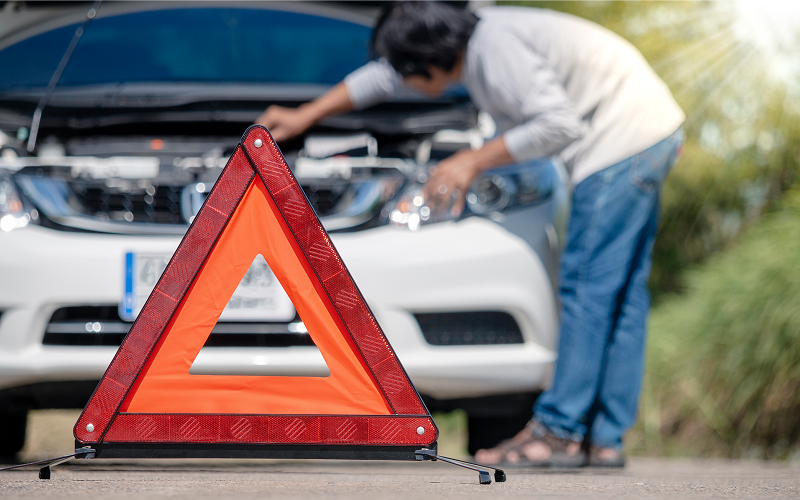
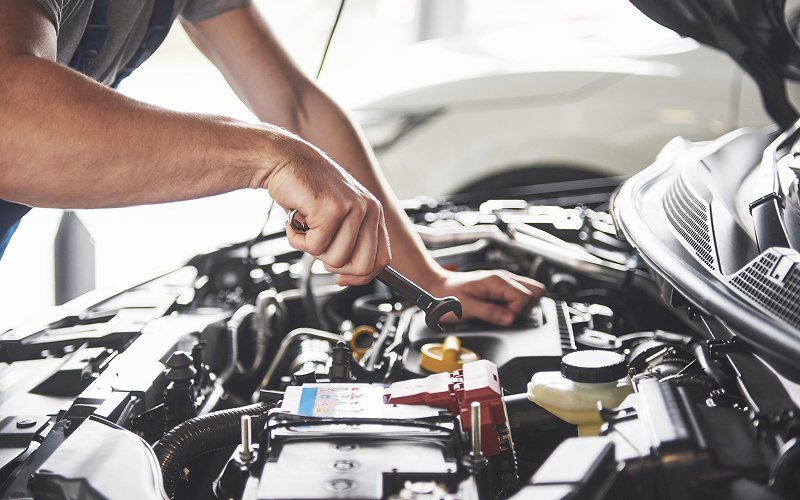
A vehicle check before departure can help reduce the likelihood of avoidable disruptions. Check tyre pressure, fuel levels, engine fluids, headlights, wipers, brakes and air-conditioning before setting off.
For a longer drive, it is also useful to ensure that emergency items are available and that the vehicle is properly maintained. These simple checks can provide greater peace of mind when travelling further from home.
Share Driving Responsibilities Where Possible
Long distances can be tiring, especially when traffic is slow or the route involves extended highway driving. Where appropriate and permitted, sharing driving responsibilities between eligible drivers can help reduce fatigue.
Drivers should take regular breaks, stay hydrated, and stop if they feel overly tired. Reaching the destination later is always preferable to driving without adequate focus.
When Long-Term Leasing May Be Relevant
Leasing is not automatically the right option for a single occasional road trip. A short-term vehicle need may be better addressed through other transport arrangements, while drivers who already own a suitable vehicle may not need an additional solution.
Long-term leasing may be more relevant for drivers who need regular access to a vehicle over an extended period. This could include those who frequently travel with family, require more passenger or boot space than their current vehicle provides, make recurring work-related journeys or prefer ongoing vehicle access without purchasing a car outright.
A vehicle for rent can meet local transport needs, but customers should not assume that every rental arrangement permits cross-border driving. At Asia Car Rental, only eligible customers on a long-term lease of at least one year may drive into Malaysia. Short-term rental arrangements are not approved for travel to Malaysia.
A long-term rental arrangement may therefore be more suitable for drivers who make regular trips to Malaysia and need consistent access to an appropriately sized vehicle. A 12-month car leasing plan may be worth considering when the need is ongoing rather than limited to a single weekend or holiday.
Before travelling into Malaysia, customers should confirm the documentation, insurance coverage and operating conditions that apply to their agreement. They should also plan for contingencies, such as breakdown service or a replacement vehicle service in Malaysia.
Conclusion
Choosing the right car for a road trip comes down to comfort, practicality, and confidence on the road. Supportive seating, sufficient passenger room, luggage capacity, stable handling and useful safety features can all make a meaningful difference during longer journeys.
Whether you are travelling locally or planning regular drives into Malaysia, selecting a vehicle that suits your group and travel needs can help make each trip more comfortable and manageable. For customers seeking a longer-term arrangement, Asia Car Rental can help you explore leasing options that meet your driving needs, including eligible plans for cross-border travel to Malaysia.
Contact us today to discuss long-term leasing options that suit your driving needs and travel plans.
Frequently Asked Questions
What should I look for in a car for a road trip?
Look for supportive seating, sufficient legroom, practical boot space, stable handling and useful safety features. The right vehicle should also suit the number of passengers, the amount of luggage you are carrying and the distance you plan to travel.
Is a sedan suitable for a long road trip?
A sedan can be suitable for couples or small groups travelling with lighter luggage. Many sedans offer comfortable seating, good fuel efficiency and stable highway handling. However, an SUV or MPV may be more practical for families, larger groups or trips involving bulkier items.
How much boot space do I need for a road trip?
This depends on your group size and travel plans. For a short weekend trip, a standard sedan boot may be sufficient for a few suitcases. Families travelling with strollers, shopping bags or larger luggage may benefit from a vehicle with a larger boot or foldable rear seats.
Can I drive an Asia Car Rental vehicle into Malaysia?
Driving into Malaysia is permitted only for eligible long-term leasing customers with a lease period of at least one year. Short-term rental arrangements are not approved for cross-border travel. Customers should confirm the relevant terms and documentation before making travel plans.
Is leasing a car a practical option for frequent road trips?
Leasing may be useful for drivers who need regular access to a vehicle without purchasing one outright. It can offer a more consistent arrangement for those who frequently travel with family, require additional luggage space or plan regular drives into Malaysia under an eligible long-term lease.
Does the weight of luggage affect the driving experience?
Yes. A heavily loaded vehicle may use more fuel and can feel less responsive when accelerating, braking or travelling uphill. Excess weight may also affect handling, particularly when luggage is unevenly packed or loose items shift while driving. Keep heavier bags low in the boot and secure them properly to help maintain better stability and visibility.