Understanding your likely vehicle maintenance cost makes it easier to plan finances ahead and compare workshop quotations. While expenses vary by model, age, mileage and workshop, knowing the common cost categories can reduce unpleasant surprises.
Disclaimer: All cost ranges in this article are provided for illustrative purposes only and may vary. Actual vehicle maintenance costs depend on the car’s make, model, age, condition, mileage, parts selected and workshop. Always request a written quotation before approving any service or repair.
Key Takeaways
- Routine servicing may cost around S$100 to S$300 per visit, depending on the service scope and vehicle.
- Tyres, batteries, brakes and suspension parts contribute significantly to long-term vehicle upkeep costs.
- Older or higher-mileage cars generally need more frequent inspections and repairs.
- Preventive maintenance and smoother driving can help control car maintenance expenses.
- Car leasing arrangements may suit Singaporean drivers who prefer predictable mobility without managing every maintenance task.
What Contributes to Vehicle Maintenance Costs?
Routine Servicing and Preventive Maintenance
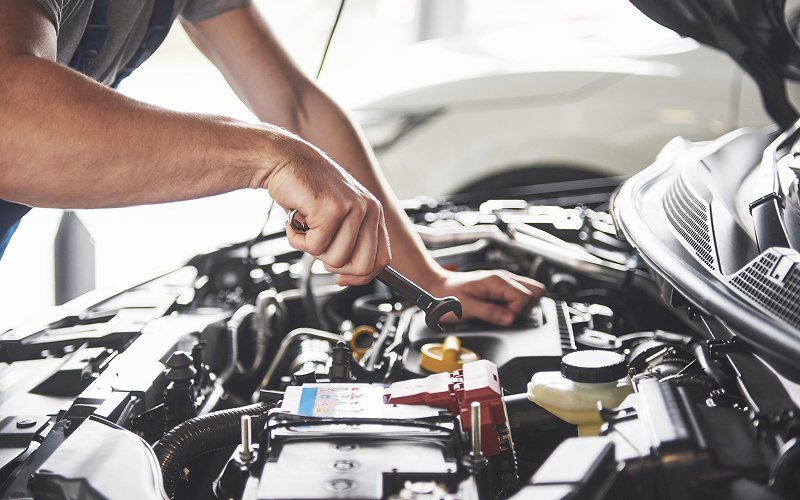
Regular car servicing in Singapore commonly includes an engine oil and oil filter change, fluid checks, tyre inspection, brake inspection and basic diagnostic checks.
A routine oil change may cost about S$100 to S$200, while broader servicing packages may range from approximately S$180 to S$300 or more. Recent Singapore guides place average servicing near S$278 for every 10,000 km at selected authorised workshops, although actual quotations differ.
Following the manufacturer’s recommended intervals helps technicians identify leaks, worn components or declining battery performance before these issues become more serious. Skipping servicing may save money temporarily but could lead to larger repair bills later.
Wear-and-Tear Components
Tyres, brake pads, spark plugs, wiper blades, batteries and suspension parts naturally wear out. Their replacement frequency depends on driving distance, road conditions, vehicle weight and driving habits.
A standard passenger-car tyre may cost roughly S$100 to S$300 each, while premium, larger or performance tyres can cost more. Brake pad and rotor replacement may range from around S$250 to S$600 per axle.
A replacement battery may commonly cost approximately S$120 to S$350, depending on capacity, technology and vehicle requirements. These recurring items can form a substantial share of long-term car maintenance expenses.
Unexpected Mechanical or Electrical Repairs
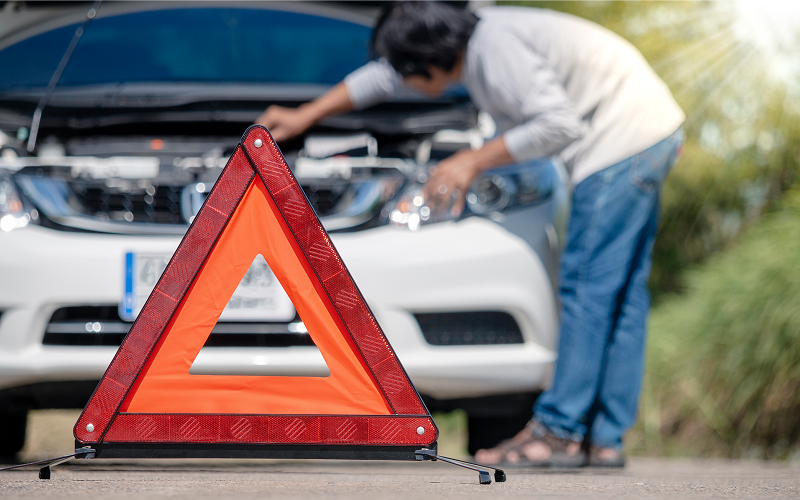
Air-conditioning faults, sensors, alternators, electronic modules, cooling systems and transmission components may fail without much warning.
The cost can range from under S$200 for a minor sensor, hose or electrical repair to S$1,000 or more for major air-conditioning, suspension, transmission or engine work.
Continental and premium models may also have higher parts and labour charges, especially when specialised diagnostic equipment is required.
Vehicle Age and Mileage
Older vehicles often require closer monitoring as rubber seals, cooling-system parts, suspension bushings and electrical components deteriorate. High-mileage cars may also need replacements that are not part of basic servicing, such as shock absorbers, engine mounts or wheel bearings.
A well-serviced vehicle with readily available parts may remain reliable. However, owners should keep a larger repair allowance as the vehicle approaches the later years of its Certificate of Entitlement period.
For drivers who want predictable monthly costs without committing to an ageing vehicle, long term car rental may be another option to consider.
Driving Conditions and Habits
Frequent hard acceleration, sudden braking and driving over uneven surfaces increase strain on tyres, brakes, suspension and drivetrain components. Singapore’s stop-start traffic can also accelerate brake wear compared with steady highway driving.
Long daily journeys increase mileage-based servicing frequency. Carrying unnecessary loads can add further stress and increase fuel use.
Companies with employees who travel frequently may also compare vehicle ownership with car rental for business, particularly when usage levels and maintenance needs vary across projects.
How to Reduce High Vehicle Maintenance Costs
Keep to the Servicing Schedule
Follow the service interval stated in the owner’s manual rather than waiting for a warning light. Keep servicing records so recurring issues and warranty requirements are easier to track.
Preventive checks may also help workshop technicians identify ageing components before they affect other parts of the vehicle.
Check Tyres Regularly
Underinflated tyres wear faster, increase rolling resistance and may affect handling. Check the pressure when the tyres are cool, inspect for uneven wear and arrange alignment when the car pulls to one side.
Four-wheel alignment commonly costs around S$50 to S$80, although specialist or performance vehicles may cost more.
Drive Smoothly
Gradual acceleration, controlled braking and maintaining a reasonable following distance can reduce wear. Avoid mounting kerbs and slow down over humps or damaged road surfaces to protect tyres and suspension parts.
Smoother driving may also improve fuel efficiency, helping drivers control both maintenance and everyday running costs.
Act on Warning Signs Early
Unusual vibrations, leaks, smells, noises or dashboard warnings should be checked promptly. A small coolant leak or worn belt may be relatively manageable early but could cause wider damage if ignored.
Drivers should also pay attention to changes in braking, steering, air-conditioning performance and engine temperature.
Compare Quotations Carefully
Ask whether a quotation includes labour, parts, diagnostic fees and Goods and Services Tax. Compare like-for-like parts, as original, original equipment manufacturer and aftermarket components may differ in price, warranty and suitability.
Choosing the lowest quotation without reviewing the scope of work may result in important checks or replacement items being excluded.
How Rental or Leasing Can Reduce Vehicle Maintenance Costs
For drivers who prefer access to a vehicle without taking on the full responsibility of long-term upkeep, renting can offer a simpler way to manage everyday mobility. Routine servicing, inspections and general maintenance are typically handled by the rental provider, reducing the need to coordinate workshop visits or budget separately for many common repair costs.
At Asia Car Rental, fleet maintenance is supported by an in-house workshop and dedicated maintenance team. This allows servicing and vehicle checks to be managed directly, helping to keep the rental fleet road-ready and reducing disruption for customers. For businesses and individuals who rely on a vehicle regularly, this added support can provide greater convenience and clearer cost planning.
Contact us to discuss a rental arrangement that suits your driving needs and preferred rental period.
Frequently Asked Questions
How much should I budget for vehicle maintenance each year?
For a typical mass-market car in Singapore, consider setting aside around S$800 to S$1,500 per year for routine servicing, wear-and-tear replacements and minor repairs. Regular servicing alone may cost approximately S$500 to S$800 annually, while tyres, batteries, brake components and unexpected faults can increase the total.
Older, higher-mileage or continental vehicles may require a larger budget of around S$1,500 to S$3,000 or more per year, particularly when major components need replacement. These figures are illustrative estimates, so it is helpful to maintain an additional emergency repair fund rather than relying on a fixed annual amount.
Does vehicle maintenance cost differ between Japanese and continental cars?
Maintenance costs can differ due to parts availability, vehicle design and the level of specialist knowledge required. Japanese and Korean models often have widely available parts, while some continental vehicles may require more expensive components or specialised diagnostic equipment.
Are hybrid and electric cars cheaper to maintain?
Hybrid and electric vehicles have fewer or different mechanical components than conventional petrol cars, which may reduce certain servicing needs. However, battery systems, electrical components and specialised repairs can still be costly. Maintenance expenses depend on the model, battery condition and workshop availability.