
Key Takeaways
- The best way to get around Singapore depends on your daily routine, where you live and work, and how often you travel.
- Public transport is often the most practical starting point for new expats because of its extensive MRT and bus network.
- Ride-hailing services offer flexibility, but frequent use can become expensive over time.
- Driving may become more convenient for families, professionals with multiple appointments, or those who regularly travel to Malaysia.
- Flexible monthly car rental in Singapore can provide access to a vehicle without the long-term commitment of ownership.
Moving to Singapore comes with plenty of adjustments, and figuring out how to travel around the city is often one of the first. Most new expats begin by exploring the extensive public transport network before deciding on which option best suits their lifestyle.
The best way to get around Singapore varies from person to person. Some expats are perfectly served by the MRT, while others eventually find that having access to a car offers greater flexibility for work, family responsibilities, or weekend travel.
Understanding the different transport options in Singapore can help you choose an approach that supports your daily routine rather than simply getting you from one place to another.
Public Transport Is Often the Starting Point for Many Expats
For many newcomers, public transport offers an easy way to get around Singapore. The network is well-developed and reliable, covering most residential and commercial areas across the island.
MRT Connectivity Across Major Areas
Singapore’s MRT system is one of the country’s most widely used transport networks. The extensive train lines connect residential estates, business districts, shopping centres, educational institutions, and major attractions, allowing commuters to travel across the island without needing a car.
For expats working in the CBD or living near an MRT station, train travel is often both convenient and cost-effective. Peak-hour services can become crowded, particularly during weekday commuting periods, although trains generally operate at frequent intervals throughout the day.
Buses Provide Wider Neighbourhood Access
Public buses complement the MRT by serving residential neighbourhoods and destinations farther from train stations.
Many expats rely on buses for short journeys, such as travelling between home and the nearest MRT station or accessing schools, supermarkets, and community facilities. Although the network is comprehensive, learning unfamiliar routes may take some time during the first few weeks of settling in.
Ride-Hailing Services Offer Greater Flexibility
Ride-hailing platforms are widely available throughout Singapore and are commonly used for airport transfers, business meetings, grocery shopping, or late-night journeys.
They provide greater flexibility than fixed public transport routes, particularly when travelling with luggage or during poor weather. However, fares can increase significantly during peak demand, and regular use may become considerably more expensive than many people initially expect.
Walking Works Best for Short Local Journeys
Singapore is walkable in many neighbourhoods, especially around MRT stations, town centres, shopping malls, and business districts. Covered walkways, pedestrian crossings, and well-maintained footpaths can make short errands convenient, particularly when you live close to daily amenities.
However, walking is not always practical for every journey. Heat, humidity, heavy rain, longer distances, and last-mile access can affect how comfortable or realistic it feels. For most new expats, walking works best as part of a broader transport routine rather than a full replacement for public transport, ride-hailing, or driving.
Is Driving the Best Way to Get Around Singapore?
Although public transport works well for many residents, some expats eventually find that driving better supports their daily lifestyle.
Families Often Require Greater Flexibility
Families with children frequently travel to multiple destinations throughout the day. School drop-offs, enrichment classes, childcare, grocery shopping, medical appointments, and family outings can all require multiple trips across Singapore.
Having access to a vehicle can make these routines more convenient while reducing the need to coordinate multiple bus or MRT connections.
Frequent Business Travel Across Singapore
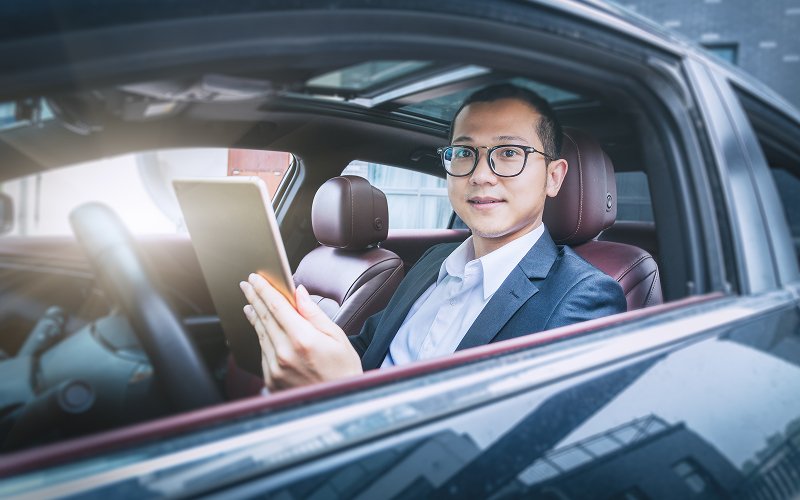
Professionals whose work involves travelling between offices, client meetings, project sites, or industrial estates may also benefit from driving.
Instead of planning journeys around train lines or waiting for ride-hailing services, having a vehicle provides greater flexibility to adjust schedules and accommodate multiple appointments throughout the day. This is one reason why many businesses consider corporate car rental for employees who require reliable transport without purchasing company vehicles.
Weekend and Cross-Border Travel
Many expats enjoy exploring destinations beyond Singapore during weekends. Driving offers added flexibility for trips to Johor Bahru and other parts of Malaysia, particularly when travelling with family, luggage, sports equipment, or shopping purchases.
A vehicle also allows travellers to stop along the way and explore destinations at their own pace rather than following public transport schedules.
Greater Comfort and Privacy
Some people simply prefer the comfort of travelling in their own vehicle.
Driving provides privacy during busy commuting periods, shelter during Singapore’s frequent rain showers, and a more comfortable environment for longer journeys across the island.
Why Many Expats Choose Rental or Leasing Instead of Buying
Even when driving becomes the preferred mode of transport for expats in Singapore, purchasing a vehicle is not necessarily the first choice.
Many expats explore rental or leasing arrangements that offer the convenience of driving without the long-term commitments associated with ownership.
Lower Upfront Financial Commitment
Owning a car in Singapore involves high upfront costs, including the Certificate of Entitlement (COE), registration fees, insurance, and other associated expenses.
For expats staying in Singapore on fixed-term employment contracts, these costs may not always make financial sense. Renting or exploring car leasing in Singapore provides access to a vehicle without the substantial long-term investment.
Flexibility as Circumstances Change
Relocation plans can change over time.
An expat’s employment contract may be extended, shortened, or involve relocation to another country. Housing locations, family size, or commuting requirements may also evolve.
Rental and leasing arrangements allow drivers to adjust their transport solution more easily as their circumstances change.
Choosing the Right Vehicle for Your Lifestyle
Different households have different transport needs.
A professional commuting alone may prefer a compact sedan, while larger families might benefit from an SUV or MPV with additional passenger and luggage space. Flexible rental options make it easier to select a vehicle that matches your current lifestyle without committing to permanent ownership.
Less Administrative Responsibility
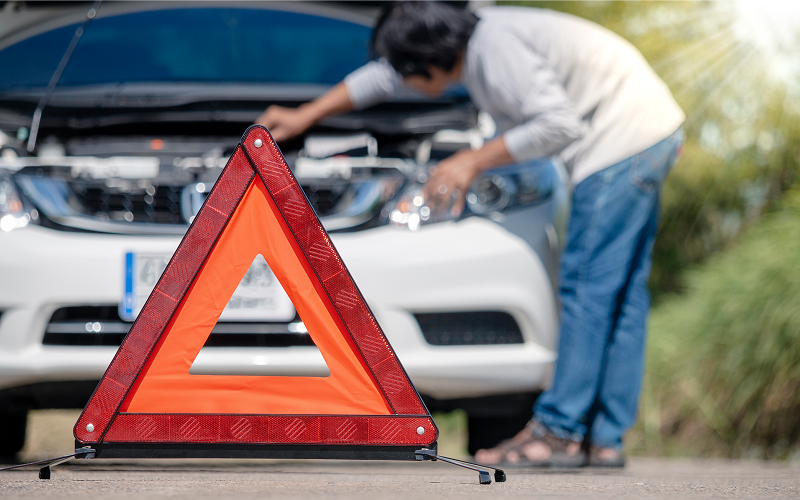
For newcomers adjusting to life in Singapore, managing vehicle servicing, maintenance schedules, insurance renewals, and unexpected repairs may feel unfamiliar.
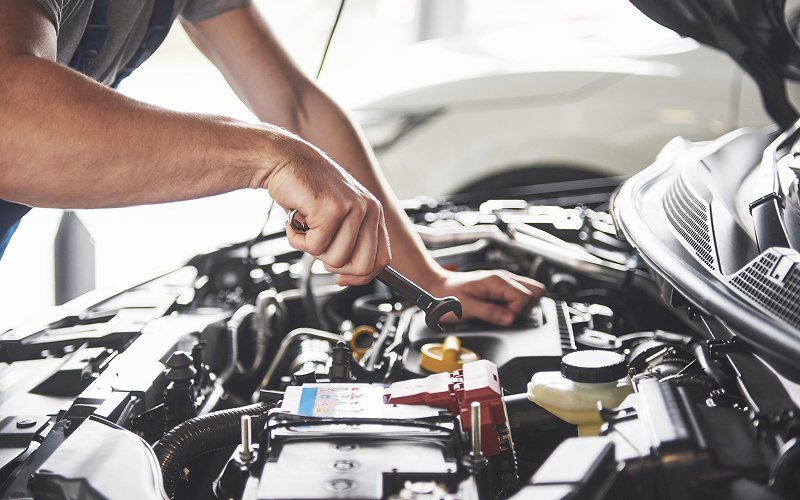
Many rental and leasing packages include routine servicing and maintenance support, allowing expats to spend less time managing vehicle administration and more time settling into their new environment.
How to Decide the Best Way to Get Around Singapore
When comparing different transport options in Singapore, it helps to consider a few practical factors.
The best option usually depends on how predictable your routine is, how many places you travel to in a day, and whether the added convenience justifies the cost.
If you live near an MRT station and mainly commute to one workplace, public transport is often the most sensible starting point. It keeps daily travel costs manageable, avoids parking and ERP concerns, and works well for predictable routes into business districts or central areas.
Ride-hailing may suit expats who only need occasional door-to-door transport, such as airport transfers, late-night journeys, or days when travelling with luggage. However, it can become less cost-effective when used several times a week, especially during peak periods or surge pricing.
Rental or leasing becomes more practical when you need a car regularly but do not want the long-term commitment of ownership. This may apply if you have children, attend meetings across different parts of Singapore, make frequent weekend trips, or want a more predictable arrangement than repeated ride-hailing fares. Shorter rental periods can support temporary needs, while leasing may suit expats who expect to drive consistently for several months or more.
Buying a car is usually more suitable for those in Singapore with long-term plans and a clear need for daily driving. However, it also comes with higher upfront costs, ownership responsibilities, parking, fuel, ERP, insurance, maintenance, and eventual resale considerations.
For many new expats, a practical approach is to start with public transport, use ride-hailing when needed, and consider rental or leasing once your daily routine becomes clearer. If driving starts to save meaningful time, reduce stress, or better support family and work responsibilities, having access to a car may be worth the overall cost.
Conclusion
The best way to get around Singapore depends less on the transport system itself and more on how it fits your lifestyle. Public transport remains an excellent option for many new expats, particularly during the first few months of settling in. Ride-hailing services and walking can also complement daily travel, depending on where you live and work.
As routines become more established, some expats find that having access to a car better supports their work schedules, family responsibilities, or weekend travel plans. Rather than purchasing a vehicle outright, flexible rental or leasing arrangements can provide a practical balance between convenience and long-term flexibility.
Whether you need a compact car for everyday commuting, an SUV for family use, or an executive vehicle for business travel, Asia Car Rental offers a range of flexible transport solutions designed to help expats settle into life in Singapore with greater ease.
Contact us to explore flexible car rental or leasing options that support your daily travel needs in Singapore.
Frequently Asked Questions
Is public transport enough for most expats in Singapore?
For many expats, yes. Singapore’s MRT and bus networks cover most residential, commercial, and recreational areas, making public transport suitable for everyday commuting and general travel.
When should an expat consider renting a car?
Renting a car may be worth considering if you frequently travel between multiple locations, have family commitments that require regular driving, travel to Malaysia often, or simply prefer the convenience and privacy of having your own vehicle.
Is renting a car better than buying one in Singapore?
It depends on your circumstances. Renting may be more suitable for expats staying in Singapore for a limited period or those who want to avoid the high upfront costs and long-term commitment associated with vehicle ownership.
What type of vehicle is suitable for new expats?
The ideal vehicle depends on your lifestyle. A compact sedan may suit individuals or couples who commute daily, while families may benefit from SUVs or MPVs that offer more passenger and luggage space.
Can I switch from public transport to a rental car later?
Yes. Many expats initially rely on public transport while becoming familiar with Singapore before deciding whether renting or leasing a vehicle better supports their long-term transport needs.