Key Takeaways
- Fuel costs can be difficult to predict in Singapore, so it helps to plan petrol expenses as part of your wider driving budget.
- Simple petrol saving tips such as smoother acceleration, reduced idling and better route planning can help reduce petrol consumption over time.
- Fuel efficient driving is not only about driving habits. The vehicle you choose should also match your daily usage, passenger needs and travel patterns.
- Petrol costs should be factored into your overall budget when comparing car leasing options in Singapore, especially if you drive daily or cover longer distances.
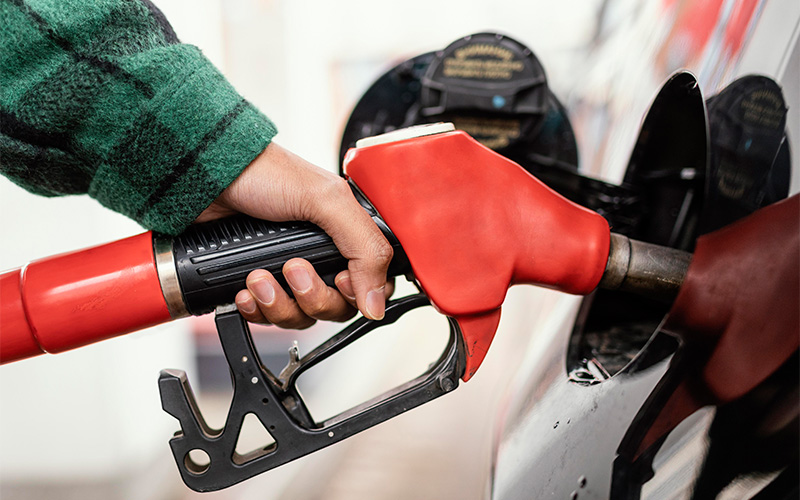
One petrol saving tip is to think about petrol as part of your wider driving budget.
How much to budget for petrol is about how much you pay at the pump, but also how often you refuel, how far you drive and how efficiently your vehicle uses petrol.
For individuals, petrol costs can affect household budgeting. For companies, fuel usage can also influence operating expenses, especially when staff need vehicles for client visits, deliveries or project-based work. In these situations, businesses using corporate car rental may still need to factor petrol into their monthly transport budget, alongside rental fees, mileage needs, ERP and parking.
Accelerate and Brake Smoothly
One of the most practical petrol saving tips is to avoid aggressive acceleration and sudden braking. When you accelerate sharply, the engine has to work harder. When you brake abruptly, much of that energy is wasted.
A smoother driving style can support fuel efficient driving, especially in Singapore’s stop-start traffic conditions. Try to look further ahead, anticipate traffic lights and keep a steadier pace where possible. This helps you avoid unnecessary bursts of acceleration and hard braking.
Smoother driving can also make the journey more comfortable for passengers and may reduce unnecessary strain on the vehicle over time.
Reduce Excessive Idling
Leaving the engine running while stationary still uses petrol, even though the vehicle is not moving. This can happen when waiting for passengers, making pickups or pausing between errands.
A few minutes of idling may not seem significant on its own, but repeated idling throughout the week can increase total fuel usage. Reducing unnecessary idling is one of the easiest ways to reduce petrol consumption without changing your route or schedule.
Of course, drivers should still make practical decisions based on the situation. The aim is not to overthink every short stop, but to avoid leaving the engine running for long periods when it is not needed.
Plan Routes Around Heavy Traffic
Congestion can increase fuel consumption because of repeated stopping, starting and waiting. In heavy traffic, the engine uses fuel even when progress is slow.
Using navigation apps to check live traffic conditions can help you choose more efficient routes. In some cases, leaving slightly earlier or later may also reduce time spent in peak-hour congestion.
Route planning is especially useful for drivers who cover multiple stops in a day. Grouping errands, deliveries or meetings by location can help reduce unnecessary mileage. For businesses, this can also make fleet or vehicle use more efficient.
Choose a Vehicle That Matches Your Usage
Here’s the last petrol saving tip.
Driving habits matter, but vehicle choice also plays a role in fuel costs. A larger vehicle may be useful for family trips, group transport or business use, but it may not be the most efficient option for daily solo commuting.
Before choosing a car, consider how often you drive, where you usually travel and how many passengers you normally carry. A compact car may be sufficient for daily city driving, while an MPV or larger vehicle may only be needed for selected occasions.
For drivers comparing short-term access, a cheap car rental in Singapore may be useful when you only need a vehicle for specific days or trips. For longer-term needs, leasing may offer more consistency without the responsibilities of ownership.
Conclusion
Reducing petrol costs starts with understanding how you drive, how often you refuel and whether your vehicle still suits your daily needs. Simple petrol saving tips such as smoother acceleration, reduced idling and better route planning can help you manage fuel use more consistently over time.
If you need access to a car without taking on the full commitment of ownership, Asia Car Rental offers rental and leasing options for personal and business needs.
Contact us to discuss a suitable arrangement based on your driving habits, budget and usage requirements.
Frequently Asked Questions
Does tyre pressure affect petrol consumption?
Yes. Underinflated tyres create more rolling resistance, which means the engine has to work harder to move the car. Checking tyre pressure regularly can help support fuel efficient driving.
Can carrying too many items in the car increase fuel usage?
Yes, unnecessary weight can increase fuel consumption because the engine needs more energy to move a heavier vehicle. Drivers who keep bulky items in the boot may want to remove anything they do not need for daily driving.
Can regular servicing help reduce petrol consumption?
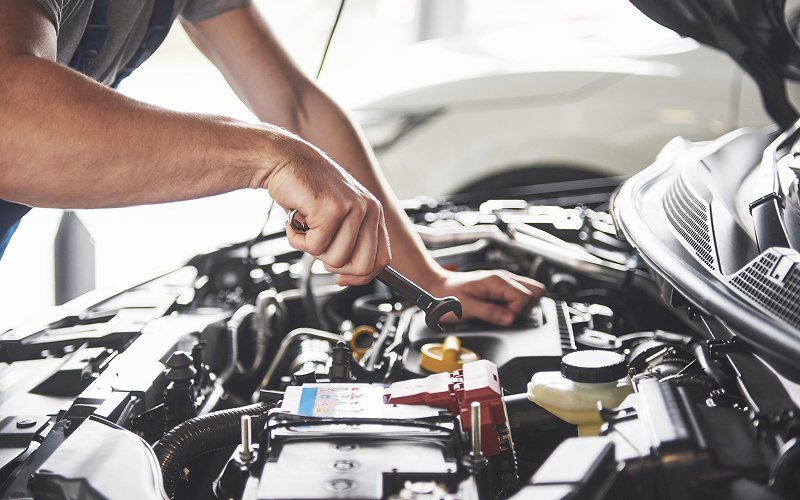
Regular servicing can help the vehicle run more efficiently. Issues such as dirty air filters, old engine oil, worn spark plugs or poorly maintained engine components may affect fuel use over time.
Does driving speed affect fuel efficiency?
Yes. Driving at a steady, moderate speed is usually more fuel-efficient than constantly speeding up and slowing down.
Does using air conditioning increase petrol consumption?
Air conditioning can increase fuel usage because it places extra load on the engine. In Singapore’s climate, switching it off completely may not be practical, but drivers can avoid setting the temperature unnecessarily low, park in shaded areas when possible and cool the cabin efficiently before settling into a comfortable setting.