
Introduction
The allure of being a Grab driver is undeniable: flexible hours, be your own boss, and the potential to earn a decent income. For many Singaporeans, especially those looking to supplement their income or seeking an alternative to traditional employment, driving for Grab seems like an attractive opportunity. But here’s the critical question that many aspiring drivers ask: Is renting a car to drive for Grab actually profitable in 2026?
At first glance, the math might seem straightforward. You rent a car, drive for several hours a day, collect dares, and pocket the difference. However, the reality is far more complex. Between rental costs, petrol expenses, platform commissions, insurance, and the sheer number of hours needed to make it worthwhile, the profitability equation isn’t as simple as it appears.
With recent changes in the private hire vehicle industry, including increased competition, rising costs, and evolving platform dynamics, understanding the true economics of Grab driving with a rental car has never been more important. Making the wrong decision could mean working long hours for minimal returns or even operating at a loss.
In this comprehensive guide, we’ll break down the real costs or renting a car for Grab driving in Singapore, analyze actual earnings potential based on different driving schedules, and help you determine whether this opportunity makes financial sense for your situation. By the end, you’ll have a clear picture of what it truly takes to be profitable as a Grab driver using a rental car in 2026.
Key Takeaways
- Profitability depends heavily on hours committed. Part-time drivers (less than 20 hours weekly) often struggle to break even, while full-time drivers (40+) hours) can earn $4,000 to $7,000 monthly after expenses.
- Rental costs range from $60 to $130 per day. Choosing the right vehicle and rental package significantly impacts your bottom line.
- The first 3 to 4 hours daily go toward covering costs. Car rental and petrol expenses must be offset before you start earning actual income.
- Gross earnings average $20 to $33 per hour. Experienced drivers using strategic approaches can achieve higher hourly rates, especially during peak hours.
- Platform commissions eat 20 to 25% of fares. Grab’s service fee reduces your take-home from each ride significantly.
- Break-even requires discipline and strategy. Success demands understanding peak hours, optimizing routes, and maintaining consistent driving schedules.
Understanding Grab Driver Earnings in 2026
Before diving into rental costs and profitability calculations, it is essential to understand how much Grab drivers actually earn in Singapore. Earnings vary significantly based on driving hours, strategies, and vehicle types.
Average Hourly Earnings
Based on driver reports and industry data, Grab drivers in Singapore typically earn:
Conservative Estimate: $20 to $25 per hour during regular hours
Average Performance: $25 to $30 per hour with strategic driving
Experienced Drivers: $30 to $35 per hour during peak periods with optimized strategies
One experienced driver reports consistently earning around $33.33 per hour by choosing optimal driving times and locations, while others working strategically during peak hours report similar ranges.
Peak vs Off-Peak Earnings
Peak Hours (Higher Fares)
- Morning rush: 7:00 AM to 9:00 AM
- Evening rush: 5:00 PM to 8:00 PM
- Average earnings during peak hours: $25 per hour
Off-Peak Hours (Lower Fares)
- Mid-morning: 10:00 AM to 4:00 PM
- Late evening: 9:00 PM onwards
- Average earnings during off-peak: $20 per hour
Weekend and Holiday Surges
Weekends, public holidays, and rainy weather typically see surge pricing, which can increase earnings by 1.5x to 2.5x during high-demand periods.
How Platform Commissions Work
Grab takes a service fee from each fare, which varies based on trip distance and circumstances. The commission rate typically ranges around 20.18% though it can vary from trip to trip. For example, on a $10 fare with a 20% commission, you’d earn $8 while Grab keeps $2.
Additionally, Grab implements dynamic service fees designed to compensate drivers fairly based on effort required, meaning shorter trips might have higher percentage commissions while longer trips have lower percentages.
Real-World Earnings Examples
Full-Time Driver (50 hours weekly)
One driver working daily with 50 hours per week brings home approximately $200 on weekdays and $500 on weekends before vehicle expenses, resulting in roughly $6,800 per month after deducting $1,200 in monthly car expenses.
Part-Time Strategic Driver (18 hours weekly)
A driver working 18 hours weekly (approximately 3 hours daily for 6 days) can earn gross income of $599.40 per week. After deducting petrol costs of around $100 weekly, net earnings would be approximately $500 weekly or $2,000 monthly.
Intensive Driver (70+ hours weekly)
Some drivers report earning up to $11,000 monthly gross by working 12+ hour days, though this comes at the cost of work-life balance and physical strain.
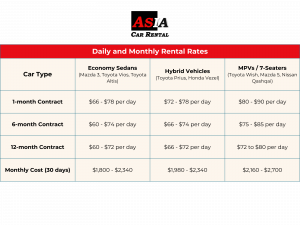
Daily and Monthly Rental Rates
Car rental costs for Grab drivers vary significantly based on vehicle type, rental duration, and company.
 Premium or Larger Vehicles
GrabRentals offers brand new hybrid MPVs at $130.23 per day for 36-month contracts, translating to approximately $3,907 monthly.
Longer rental commitments generally offer lower daily rates, but require you to commit for extended periods. A 12-month contract typically saves $6 to $18 per day compared to month-to-month rentals.
Fuel Costs
Petrol is one of the largest ongoing expenses for Grab drivers and varies based on driving hours and vehicle efficiency.
Current Petrol Prices (2025)
95-octane petrol prices are around $2.90 per litre, while premium fuels cost approximately $3.60 per litre.
Daily Fuel Consumption Estimates
- 3 hours driving: $20 to $25 daily ($600 to $750 monthly)
- 6 hours driving: $35 to $50 daily ($1,050 to $1,500 monthly)
- 10 hours driving: $50 to $70 daily ($1,500 to $2,100 monthly)
- 12 hours driving: $60 to $90 daily ($1,800 to $2,700 monthly)
Hybrid vs Petrol Vehicles
Hybrid cars typically consumer 20 to 30% less fuel than traditional petrol vehicles, offering significant savings for full-time drivers. A hybrid car uses approximately two full tanks weekly ($180 in petrol) compared to potentially higher consumption in standard vehicles.
Insurance Costs
All private hire vehicles must have commercial motor insurance, which is significantly more expensive than personal car insurance.
Commercial Insurance Premiums
Commercial insurance typically costs $2,000 to $4,000 annually, depending on vehicle type, driver age, driving history, and insurance provider. This translates to approximately $165 to $335 monthly.
What’s covered?
Most rental packages include basic commercial insurance, but you should verify:
- Comprehensive coverage for vehicle damage
- Third-party liability coverage
- Insurance excess amounts (typically $750 to $1,500 per claim)
- Whether Malaysia cross-border travel is covered
Additional Coverage Options
Some drivers opt for additional personal accident insurance for extra protection, which can cost an additional $200 to $500 annually.
Hidden and Additional Costs
Beyond rental, fuel, and insurance, several other costs can impact profitability:
Collision Damage Waiver (CDW)
Many rental companies require or offer CDW coverage at $6 to $10 per day ($180 to $300 monthly), which reduces your excess liability in case of accidents.
Parking Costs
- Home parking: $80 to $150 monthly (HDB season parking)
- Temporary parking during breaks: $3 to $10 daily
- Shopping mall parking while waiting for rides: Variable
Maintenance and Servicing
Most long-term rental agreements include regular maintenance, but you may be responsible for:
- Car washes and cleaning: $50 to $100 monthly
- Minor repairs or damage: Variable
- Interior cleaning if excessively soiled: $50 to $150 per incident
Platform Fees and Deposits
- Vehicle deposit: $500 to $2,000 (refundable)
- Initial administrative fees: $100 to $300
- Grab app subscription fees (if any): Variable
ERP and Parking Fees during Driving
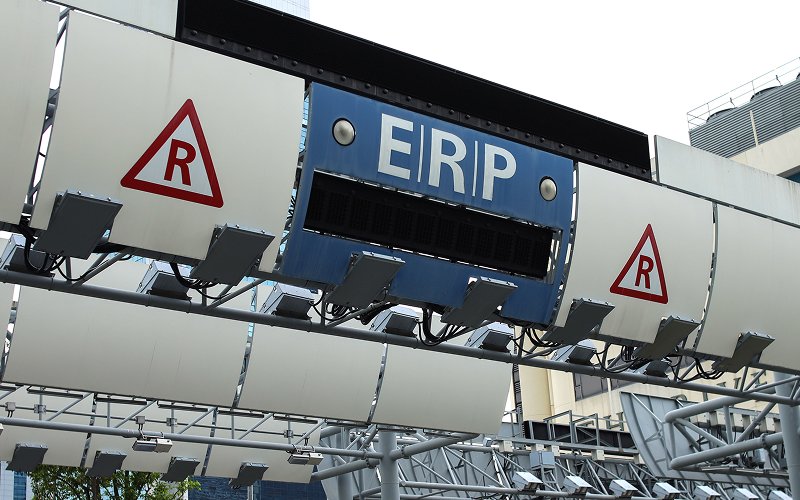
- ERP charges during peak hours: $5 to $20 daily depending on routes
- Short-term parking at commercial areas: $2 to $5 per stop
Vehicle Pre-Inspection and Log Card Conversion
When converting a personal vehicle to PHV use, drivers face costs for car pre-inspection, log car conversion, and PHV decals, though these are typically handled by rental companies for rental vehicles.
Profitability Calculations: Different Scenarios
Let’s analyze whether renting a car for Grab driving is profitable under various scenarios, from part-time to full-time commitments.
Scenario 1: Part-Time Driver (15 Hours Weekly)
Driving Schedule: 3 hours daily, 5 days per week
Monthly Earnings (Conservative)
- 15 hours x 4.3 weeks = 64.5 hours monthly
- Hourly rate: $25 (average)
- Gross monthly earnings: $1,613
Monthly Expenses
- Car rental (economy sedan, 12-month): $1,800
- Petrol (15 hours weekly): $650
- Total monthly expenses: $2,450
Monthly Net Income: -$837 (LOSS)
Verdict: Not Profitable
Part-time drivers working 15 hours weekly typically cannot cover rental costs. To break even with just rental and petrol costs, you need at least 21 hours per week at $33.33 per hour, earning approximately $700 weekly.
Scenario 2: Committed Part-Time (25 Hours Weekly)
Driving Schedule: 5 hours daily, 5 days per week (covering morning and evening peaks)
Monthly Earnings
- 25 hours x 4.3 weeks = 107.5 hours monthly
- Hourly rate: $27 (mixing peak and off-peak)
- Gross monthly earnings: $2,903
Monthly Expenses
- Car rental (economy sedan, 12-month): $1,800
- Petrol (25 hours weekly): $900
- Total monthly expenses: $2,700
Monthly Net Income: $203
Verdict: Barely Profitable
This scenario represents the minimum viable threshold. You’re working approximately 107 hours monthly to earn around $200 net, which equates to less than $2 per hour after expense. This does not account for wear-and-tear, opportunity cost, or any unexpected expenses.
Scenario 3: Full-Time Driver (40 Hours Weekly)
Driving Schedule: 8 hours daily, 5 days per week
Monthly Earnings
- 40 hours x 4.3 weeks = 172 hours monthly
- Hourly rate: $28 (strategic driving during peaks)
- Gross monthly earnings: $4,816
Monthly Expenses
- Car rental (economy sedan, 12-month): $1,800
- Petrol (40 hours weekly): $1,400
- Parking and miscellaneous: $100
- Total monthly expenses: $3,300
Monthly Net Income: $1,516
Verdict: Moderately Profitable
Full-time drivers can achieve profitability, but the net hourly rate of $8.81 is below Singapore’s median wage. This scenario requires consistent 40-hour work weeks and does not account for sick days, vehicle downtime, or slow periods.
Scenario 4: Intensive Full-Time (60 Hours Weekly)
Driving Schedule: 10 hours daily, 6 days per week
Monthly Earnings
- 60 hours x 4.3 weeks = 258 hours monthly
- Hourly rate: $30 (experienced driver, strategic approach)
- Gross monthly earnings: $7,740
Monthly Expenses
- Car rental (hybrid vehicle, 12-month): $2,000
- Petrol (60 hours weekly, hybrid): $1,800
- Parking and miscellaneous: $150
- CDW and insurance extras: $200
- Total monthly expenses: $4,150
Monthly Net Income: $3,590
Verdict: Profitable
Intensive full-time drivers can achieve reasonable profitability, though this requires working 60 hours weekly consistently. The net income of $3,590 is closer to Singapore’s median salary, but comes at the cost of long working hours and limited work-life balance.
Scenario 5: Ultra-Intensive Driver (70+ Hours Weekly)
Driving Schedule: 12 hours daily, 6 days per week
Monthly Earnings
- 72 hours x 4.3 weeks = 310 hours monthly
- Hourly rate: $31 (peak optimization, multiple platforms)
- Gross monthly earnings: $9,610
Monthly Expenses
- Car rental (hybrid vehicle, 12-month): $2,000
- Petrol (72 hours weekly, hybrid): $2,200
- Parking and miscellaneous: $200
- Maintenance buffer: $150
- Total monthly expenses: $4,550
Monthly Net Income: $5,060
Verdict: Most Profitable (But Demanding)
Some drivers working 12-hour days report gross earnings of $2,500 to $3,300 weekly, translating to monthly gross income of $10,000 to $14,300. After deducting costs, take-home earnings can reach $7,000 to $9,000 monthly, but this requires extreme dedication and comes with significant physical and mental demands.
Key Factors That Determine Profitability
Success as a rental Grab driver isn’t just about working long hours. Several strategic factors significantly impact whether you’ll be profitable.
Vehicle Selection Matters
Choosing the Right Vehicle Type
Economy Sedans (Best for Cost Efficiency)
- Lower rental costs ($1,800 to $2,000 monthly)
- Good fuel efficiency
- Suitable for standard GrabCar rides
- Best for: Cost-conscious drivers prioritizing profitability
Hybrid Vehicles (Best for High Mileage)
- Moderate rental costs ($2,000 to $2,200 monthly)
- Excellent fuel efficiency (20 to 30% savings)
- Lower environmental impact
- Best for: Full-time drivers logging 50+ hours weekly
MPVs / 7-Seaters (Best for Premium Fares)
- Higher rental costs ($2,400 to $2,700 monthly)
- Access to GrabFamily and 6-seater rides (higher fares)
- Higher fuel consumption
- Best for: Experienced drivers who can secure consistent premium bookings
Strategic Driving Approaches
Time Optimization
Focus on Peak Hours
Concentrating your driving during morning rush (7:00 AM to 9:00 AM) and evening rush (5:00 PM to 8:00 PM ) can significantly boost hourly earnings through surge pricing and shorter waiting times between rides.
Weekend Strategy
Weekends, especially late mornings and afternoons, often provide steady demand with good earnings potential without extreme surge pricing fluctuations.
Avoid Dead Hours
Mid-afternoon weekdays (2:00 PM to 4:00 PM) and very late nights (after midnight) typically offer poor earnings unless you are strategically positioned near nightlife areas or airports.
Location Intelligence
High-Demand Areas
- CBD during business hours
- Shopping districts on weekends
- Popular hawker centers during meal times
- Entertainment hubs in the evenings
- Airports (though queue times can vary)
Avoid Low-Demand Areas
- Residential estates during mid-day
- Industrial areas on weekends
- Areas with poor accessibility
Platform Diversification
Using Multiple Platforms
Many successful drivers use multiple ride-hailing platforms simultaneously, allowing them to:
- Choose the best-paying rides
- Reduce idle time between bookings
- Avoid being locked into single-platform incentive requirements
- Maintain flexibility in accepting or rejecting trips
Available platforms in Singapore include Grab, Gojek, Tada, and Ryde. However, managing multiple apps requires skill and can be mentally taxing.
Incentive Programs
Understanding and maximizing platform incentives can significantly boost earnings:
- Weekly trip bonuses for completing target number of rides
- Peak hour multipliers
- Long-distance trip bonuses
- New driver incentives
- Completion bonuses (for GrabRentals users)
GrabRentals offers completion bonuses ranging from $315 to $1,155 depending on vehicle type and contract length, plus fuel vouchers of $280 to $1,000, which can offset initial costs.
Expense Management
Fuel Efficiency Practices
- Drive smoothly, avoid aggressive acceleration
- Plan routes efficiently to minimize unnecessary mileage
- Use air-conditioning judiciously
- Keep tires properly inflated
- Regular vehicle maintenance
Smart Parking Strategies
- Use free parking when waiting for rides (HDB estates, some malls)
- Time short breaks to avoid parking fees
- Understand ERP charges and avoid when possible
Maintenance Awareness
- Report issues to rental company immediately
- Keep vehicle clean to avoid cleaning fees
- Document any existing damage
- Address minor issues before they become major problems
Pros and Cons of Renting for Grab Driving
Before committing to renting a car for Grab driving, weigh these advantages and disadvantages carefully.
Advantages
Flexibility and Freedom
- Set your own working hours
- Choose when and where to drive
- No fixed boss or supervisor
- Take breaks or days off as needed
Lower Barrier to Entry
- No need to purchase a car (high COE costs in Singapore)
- No long-term vehicle ownership commitment
- Rental includes maintenance and servicing
- Can stop anytime by ending rental contract
Potential for Decent Income
- Full-time drivers can earn $4,000 to $7,000 monthly net
- Opportunity to earn more during peak periods
- Incentives and bonuses available
- Multiple income streams possible (Grab, Gojek, Tada)
Vehicle Variety
- Try different car types
- Switch vehicles if issues arise
- Access to newer, well-maintained cars
- No worry about depreciation
Tax and Accounting Benefits
- Rental costs are tax-deductible business expenses
- Fuel and other costs can be claimed
- No capital tied up in vehicle ownership
Disadvantages
High Fixed Costs
- Must pay rental daily regardless of earnings
- The first 3 hours of driving each day go toward covering rental and petrol costs
- Fuel expenses add significantly to overhead
- Insurance and other costs accumulate
Long Hours Required for Profitability
- Need 40+ hours weekly for reasonable income
- Part-time drivers often struggle to break even
- Physical and mental fatigue from long driving days
- Limited work-life balance for full-time drivers
Income Uncertainty
- Earnings fluctuate based on demand
- Platform commission reduces take-home
- Surge pricing unpredictable
- Bad weather or slow days impact income
Vehicle and Platform Risks
- Rental car damage responsibility
- Accident excess costs
- Platform policy changes affect earnings
- Passenger issues (cancellations, difficult customers)
No Employment Benefits
- No CPF contributions (though changing for younger drivers)
- No paid leave or sick days
- No medical benefits
- No career progression
Physical and Health Concerns
- Long hours sitting affects health
- Back pain, eye strain common
- Irregular meal times
- Exposure to traffice accidents
Competitive Market
- Oversupply of drivers in some areas
- Platform incentives declining over time
- Pressure on per-ride earnings
- Need to constantly optimize to stay profitable
Tips to Maximize Profitability
If you decide to rent a car for Grab driving, these strategies can help improve your profitability and success.

Before You Start
Do Thorough Research
- Compare rental companies and packages
- Read contracts carefully
- Understand all fees and terms
- Check online reviews from other drivers
Choose the Right Vehicle
- Match vehicle type to your driving strategy
- Consider fuel efficiency for long hours
- Evaluate rental cost vs earning potential
- Test drive if possible
Calculate Your Break-Even Point
- Factor in all costs (rental, fuel, parking, insurance extras)
- Determine minimum hours needed to break even
- Set realistic income goals
- Have savings buffer for slow periods
Get Proper Documentation
- Obtain PDVL (Private Hire Car Driver’s Vocational License)
- Ensure commercial insurance is in place
- Complete vehicle inspection
- Register with multiple platforms
Operational Strategies
Optimize Your Schedule
- Focus on peak hours (morning and evening rush)
- Drive during surge pricing periods
- Plan routes to minimize dead mileage
- Use data to identify best times and locations
Manage Multiple Platforms
- Register with Grab, Gojek, Tada, Ryde
- Learn to juggle multiple apps efficiently
- Choose best-paying rides across platforms
- Avoid platform-exclusive incentive traps
Maximize Incentives
- Understand each platform’s bonus structure
- Track progress toward incentive targets
- Balance acceptance rate with ride quality
- Claim all eligible bonuses and vouchers
Provide Excellent Service
- Maintain clean, comfortable vehicle
- Be polite and professional
- Offer amenities (charging cables, tissues, sanitizer)
- Aim for high ratings to access premium rides
Financial Management
Track Everything
- Record all income and expenses daily
- Use apps or spreadsheets for accounting
- Monitor actual vs projected earnings
- Identify patterns and optimize accordingly
Set Aside Emergency Fund
- Save for vehicle repairs or accidents
- Budget for insurance excess
- Prepare for slow periods or sick days
- Don’t spend all earnings immediately
Consider Tax Obligations
- Understand self-employment tax requirements
- Keep receipts for deductible expenses
- Set aside money for annual tax payments
- Consult accountant if needed
Plan for the Long-Term
- This shouldn’t be permanent for most people
- Develop skills or side businesses
- Save and invest earnings wisely
- Have exit strategy or career progression plan
Health and Wellbeing
Maintain Physical Health
- Take regular breaks to stretch
- Exercise outside driving hours
- Maintain proper posture while driving
- Stay hydrated and eat healthily
Manage Mental Stress
- Set boundaries on working hours
- Don’t chase every single ride
- Know when to stop for the day
- Seek support if feeling overwhelmed
Work-Life Balance
- Schedule regular days off
- Maintain social connections
- Pursue hobbies and interests
- Don’t sacrifice important life events for driving
Frequently Asked Questions About Rental Company Financial Stability
When considering renting a car for Grab driving, these common questions often arise:
1. How many hours do I need to work to make renting worthwhile?
To achieve reasonable profitability, you need to work at least 35 to 40 hours weekly. Working 21 hours weekly (3 hours daily) generates approximately $700 weekly gross, which barely covers rental and petrol costs. For meaningful income after expenses, aim for 40 to 60 hours weekly, which can generate $1,500 to $3,500 monthly net income depending on your strategy and vehicle choice. Part-time drivers working fewer than 25 hours weekly often struggle to break even.
2. Is it better to rent or buy a car for Grab driving?
This depends on your financial situation and commitment level. Renting is better if you don’t have capital for down payment (cars in Singapore cost $100,000+), want flexibility to stop anytime without vehicle disposal hassles, prefer predictable fixed costs without maintenance surprises, or are testing whether Grab driving suits you. Buying is better if you have significant capital available, plan to drive for many years, are comfortable managing maintenance and repairs, and want to build vehicle equity. However, buying requires dealing with passenger-related wear and tear, which can be emotionally and financially draining when it’s your own vehicle.
3. Which car type is most profitable for Grab driving?
For most drivers, economy sedans (Mazda 3, Toyota Vios) offer the best cost-to-profit ratio with lower rental costs and good fuel efficiency. Hybrid cars are worthwhile if you drive intensively (50+ hours weekly), as fuel savings offset higher rental costs. MPVs / 7-seaters can be more profitable if you are consistently securing GrabFamily and 6-seater rides, which pay premium fares, but require more skill to fill the vehicle efficiently. New drivers should start with economy sedans to minimize costs while learning the trade.
4. Can I really earn $6,000+ per month as reported by some drivers?
Yes, but it requires significant commitment and optimal conditions. Drivers earning $6,000 to $7,000 monthly typically work 50 to 60 hours weekly, drive strategically during peak hours, and have low vehicle expenses around $1,200 monthly. This level of income isn’t typical for average or part-time drivers. Some exceptional drivers working every day for entire months report approaching $7,000 monthly, but acknowledge they cannot sustain this consistently. Most full-time drivers earn $4,000 to $5,000 monthly net after expenses.
5. What happens if I get into an accident with a rental car?
You will be responsible for the insurance excess amount, even if not at fault. Report the accident immediately to both police (if required) and your rental company. Most rental packages include comprehensive insurance covering repairs beyond the excess. If you opted for CDW (Collision Damage Waiver), your excess liability may be reduced. The rental company may provide a replacement vehicle while yours is being repaired, though some charge for this. Multiple accidents could result in higher insurance excess requirements or termination of your rental agreement. Read here for more tips on what to do when you get into an accident with a rental car.
6. Should I drive for Grab only or multiple platforms?
Driving for multiple platforms (Grab, Gojek, Tada, Ryde) is generally more profitable as it gives you more ride options, reduces idle time waiting for bookings, and allows you to choose better-paying rides. However, managing multiple apps requires multitasking skills and can be mentally taxing. Some rental contracts or platform incentive programs may restrict multi-platform driving. If you are new, start with one platform to learn, then gradually add others as you gain experience and confidence.
7. Do Grab rental programs offer better deals than independent rental companies?
GrabRentals offers some advantages including streamlined onboarding process, direct fuel discounts (up to 29%), integrated platform access, and completion bonuses and free rental periods for certain contract lengths. However, they often require minimum trip commitments and may have higher daily rates. Independent rental companies might offer cheaper rates ($60 to $70 daily vs $72 to $80+ from GrabRentals) and more flexibility, but with less platform integration. Compare total costs including incentives, bonuses, and requirements before deciding.
8. Is Grab driving profitable enough to be a long-term career?
For most people, Grab driving should be viewed as transitional income rather than a long-term career. While full-time drivers can earn reasonable incomes ($4,000 to $6,000 monthly), there’s limited career progression, no employment benefits, physical and mental strain from long hours, and no skill development for future opportunities. Career progression is almost nil for PHV drivers. It works well for: retirees supplementing income, between-jobs transitional work, part-time supplementary income, or saving toward specific financial goals. If pursuing long-term, develop parallel skills or businesses, save and invest aggressively, and have a clear exit strategy or progression plan.
So, is renting a car for Grab driving profitable in 2026?
The answer is: it depends entirely on your commitment, strategy, and circumstances.
For part-time drivers working fewer than 25 hours weekly, renting a car for Grab driving is generally not profitable. The high fixed costs of rental and fuel mean you’ll struggle to break even, let alone earn meaningful income. Your first 3 to 4 hours daily go purely toward covering expenses, leaving minimal room for actual earnings with limited driving time.
For full-time drivers committed to 40 to 60 hours weekly with strategic approaches, renting can be moderately to quite profitable, generating $1,500 to $3,500 monthly net income. However, this requires discipline, understanding of peak hours, efficient route planning, and the physical stamina to maintain consistent long hours. The work is demanding, with limited employment benefits and career progression.
The key factors determining profitability are: hours worked per week, vehicle selection and rental costs, fuel efficiency and management, strategic driving during peak periods, utilizing multiple platforms effectively, and controlling expenses and managing finances carefully.
Before committing to renting a car for Grab driving, honestly assess your situation. Can you commit 40+ hours weekly consistently? Do you have savings to cover slow periods or emergencies? Are you comfortable with income uncertainty? Do you have the physical stamina for long driving hours? Have you calculate your actual break-even point including all costs? Is this a transitional step or long-term plan?
If you are considering this opportunity, start small. Try shorter rental contracts initially, track all income and expenses meticulously, reassess profitability after 2 to 3 months, and be prepared to exit if numbers don’t work out. Most importantly, have a plan for what comes next – whether that’s building toward vehicle ownership, developing other skills, or transitioning to different opportunities.
At Asia Car Rental, we understand the unique needs of Grab drivers and offer flexible, transparent rental packages designed with your profitability in mind. Our competitive rates, well-maintained vehicles, and clear terms help you maximize your earnings potential without hidden surprises. Whether you’re testing the waters with short-term rentals or committing to longer contracts, we provide the vehicles and support you need to succeed.
Ready to start your Grab driving journey with confidence? Contact Asia Car Rental today to explore our rental options specifically tailored for private hire drivers. We offer economy sedans and spacious MPVs at competitive rates, plus transparent pricing with no hidden fees. Our team understands the economics of Grab driving and can help you choose the right vehicle to start your journey.