Should You Rent or Buy a Car in Singapore?
Deciding between renting vs buying a car in Singapore isn’t always straightforward. With high ownership costs driven by COE, road tax, insurance, and maintenance, many question whether owning a car is worth the financial commitment. For some, ownership provides stability and control; for others, a vehicle for rent offers a flexible, hassle-free alternative without long-term obligations.
If you only need a car occasionally, short-term rentals provide convenience without the responsibilities of ownership. For longer-term use, leasing allows access to a vehicle without hefty upfront costs. But which option fits your lifestyle and budget best?
This guide explores the key factors, cost, flexibility, and long-term value, to help you weigh the pros and cons of renting vs buying a car in Singapore. Whether you’re considering a luxury car for a special occasion, a hybrid vehicle, or full ownership, understanding the financial and practical implications will help you make an informed decision.
Key Takeaways
- Cost Considerations Matter: Buying a car involves high upfront costs and long-term financial commitments, while renting provides a more affordable short-term solution without additional expenses like maintenance and depreciation.
- Flexibility vs. Ownership: Renting offers greater flexibility, allowing you to switch vehicles or avoid long-term commitments, whereas owning a car provides stability and complete control over modifications and usage.
- Usage Frequency Plays a Role: Ownership might be more cost-effective over time if you drive daily and for extended periods. However, renting can be the smarter and more convenient choice if you only need a vehicle occasionally.
- Future Planning is Essential: Consider factors such as long-term affordability, depreciation, and lifestyle changes before deciding. Whether you choose to rent or buy, your choice should align with your financial goals and transportation needs.
Should You Rent a Car in Singapore?
With the soaring costs of car ownership, many Singaporeans and expats are rethinking their options. Renting vs buying a car is a common dilemma, especially when factors like COE, road tax, and maintenance make owning a vehicle a significant financial commitment. Renting offers a hassle-free alternative, giving you access to a car without the long-term burden.
Whether you need a compact car for zipping through the city, a luxury car rental for a special event, or an eco-friendly ride to reduce your carbon footprint, rental services provide a range of options to suit different needs and budgets. From short-term convenience to long-term flexibility, renting a car might just be the smarter choice for your lifestyle.

What Are the Different Types of Car Rentals in Singapore?
If you’re considering renting vs buying a car, rentals offer flexibility that ownership simply doesn’t. Whether you need a car for a day, a month, or longer, there’s a rental option to match your needs. Here’s a look at the different types available:
A. Is Short-Term Rental Right for You?
Short-term rentals are great for occasional drivers, business travellers, or tourists who need a car without long-term commitment.
- Rent on your terms: Choose a rental period that fits your schedule, whether it’s a few days, a weekend, or a week.
- Budget-friendly options: Short-term rentals can often be cheaper than frequent ride-hailing services, depending on usage.
- A car for every occasion: Pick from compact city cars for easy parking, SUVs for road trips, or premium models if you want a more refined driving experience.
B. What Are the Benefits of Extended Car Leasing?
Long-term car rental offers a practical middle ground for those needing a car for an extended period without the financial burden of ownership.
- Predictable costs, no surprises: With fixed monthly rates, you’ll know exactly what to budget for, without worrying about fluctuating car-related expenses.=
- Hassle-free maintenance: Servicing, road tax, and insurance are typically included, so you won’t have to stress about unexpected repair bills.
- No long-term strings attached: When your lease ends, simply return the car; no resale worries, no depreciation losses, just a smooth handover.
C. Luxury and Specialised Rentals: Are They Worth It?
Sometimes, a standard car won’t do. Whether you need to impress at an event, enjoy a luxury experience, or drive a commercial vehicle, specialised rentals offer tailored solutions.
- Luxury cars for unforgettable moments: From sleek sedans to high-performance sports cars, these rentals are perfect for special occasions, VIP transport, or anyone who enjoys premium comfort on the road.
- Eco-friendly dual-mode cars: For the eco-conscious driver, hybrid or electric rentals provide a greener alternative without sacrificing performance.
- A ready-to-go option for ride-hailing drivers: Private hire cars for rent come commercially insured and compliant with local regulations, making them a hassle-free choice for those looking to drive for Grab or other ride-hailing services without the upfront investment of buying a car.
Why Should You Consider Renting a Car?
When weighing renting vs buying a car, versatility is one of the most significant advantages of renting. Not everyone needs a car every day, and with Singapore’s high ownership costs, committing to a vehicle long-term isn’t always practical. Renting offers a hassle-free alternative, whether for a weekend getaway, a temporary work assignment, or just the freedom to drive without the financial strain of ownership. Here’s why renting might be the smarter choice for your lifestyle.
1. How Does Renting a Car Offer Flexibility and Convenience?
One of the biggest advantages when comparing renting vs buying a car is the freedom that comes with renting. Unlike ownership, which locks you into long-term financial and maintenance commitments, renting lets you adapt to your needs.
- No long-term ties: Perfect for vacations, business trips, or short-term use, allowing you to return the car when you no longer need it.
- A car for every occasion: Choose from budget-friendly compacts, spacious SUVs, or luxury models depending on your plans.
- No ownership hassle: If you only drive occasionally, renting gives you the convenience of having a car when needed, without the financial strain of maintaining one full-time.
2. Is Renting More Cost-Effective Than Buying?
Owning a car in Singapore isn’t just a one-time expense; it comes with steep upfront costs and ongoing financial commitments. On the other hand, renting provides a more budget-friendly alternative, especially for those who don’t need a car daily.
- No steep upfront costs: Avoid COE, down payments, and registration fees, which can amount to tens of thousands.
- Predictable expenses: Fixed rental rates make it easy to manage your budget, without surprise costs.
- No depreciation concerns: Since you don’t own the car, you won’t have to worry about its resale value dropping over time.
3. Who Handles Maintenance and Repairs for Rental Cars?
Another advantage when comparing renting vs buying a car is the hassle-free maintenance that comes with renting. Unlike car ownership, where servicing and unexpected repairs can add to your expenses, rental companies typically handle upkeep, ensuring you always have a well-maintained vehicle without the extra costs or effort.
- No servicing worries: Routine maintenance is taken care of, so you can enjoy a smooth, well-kept car without booking appointments or paying out of pocket.
- Breakdowns and repairs covered: Most rental agreements include comprehensive insurance, offering peace of mind if something goes wrong. However, renters may still be responsible for excess charges in some instances. Always check your rental contract for the fine print.
4. Can You Access the Latest Car Models Without Buying?
If you love the thrill of driving a brand-new car with the latest features but don’t want the long-term commitment of ownership, renting is the perfect solution. Renting gives you access to a wide selection of modern, well-equipped cars, without the financial strain of buying.
- Drive the newest models: With new cars for lease, you can enjoy cutting-edge technology, advanced safety features, and modern comforts without being tied to one vehicle for years.
- Eco-conscious options: Hybrid car rental lets you reduce your carbon footprint while still enjoying a smooth and fuel-efficient ride.
- Ready for ride-hailing: Private hire cars are available for drivers who need a commercially insured, fully compliant vehicle for services like Grab, without the upfront costs of ownership.

What Are the Downsides of Renting a Car?
While renting provides flexibility and convenience, it’s not without its trade-offs. When comparing renting vs buying a car, factors like limited customisation, mileage restrictions, and recurring costs can make renting less ideal for some drivers. Before committing to a rental, it’s essential to weigh these potential drawbacks against your driving habits and long-term plans.
1. Can You Customise a Rental Car?
One of the trade-offs of renting is that you don’t get the freedom to personalise your ride. Unlike ownership, where you can upgrade interiors, add accessories, or tweak performance, rental cars come as they are.
- No modifications allowed: Renters must return the car exactly as they received it, meaning no custom paint jobs, upgraded sound systems, or performance tuning.
- Limited model availability: If you have specific features in mind, like a sunroof, a particular infotainment system, or enhanced safety tech, they may not always be available in rental fleets.
2. Do Rental Cars Have Mileage Restrictions?
Another factor to consider when weighing renting vs buying a car is how much you plan to drive. While long-term leases often come with unlimited mileage, short-term rentals, such as daily or weekly plans, typically have mileage limits. This may not be an issue for occasional drivers, but those who rely on a car daily should consider the potential extra costs.
- Watch the odometer: Exceeding the allotted mileage often results in extra charges, so tracking your usage is crucial to avoid unexpected fees.
- Fuel costs add up: On a weekly rental plan, constant driving means you’ll be paying more for fuel, making it less budget-friendly over time.
- Not ideal for heavy commuters: If you’re someone who drives long distances regularly, a rental with mileage restrictions might not be the most cost-effective option.
3. Are There Availability Issues During Peak Periods?
One downside of renting is that demand isn’t always predictable. If you’re planning to rent a car during festive seasons, public holidays, or major events, you might find that your preferred model is already booked out. Unlike owning a car, where availability is never an issue, renting requires some advance planning, especially during peak periods.
- Festive rush and holiday demand: During popular travel seasons, compact cars, SUVs, and family-friendly models tend to get snapped up quickly.
- Limited availability of niche vehicles – Luxury cars, hybrids, or private hire cars may be in shorter supply.
4. Does Renting Become Expensive Over Time?
When comparing renting vs buying a car, it’s easy to see why renting feels more affordable upfront. With no COE, down payment, or maintenance worries, it’s a budget-friendly way to drive without a long-term commitment. But while renting makes sense in the short term, the costs can add up over time, especially for those who need a car regularly.
- Long-term rentals may become expensive: If you plan to rent for several years, the total rental fees could surpass the cost of buying a car, making ownership a more economical choice in the long run.
- Ongoing rental payments: Unlike buying, where loan repayments eventually stop, rental costs continue indefinitely, which can become expensive if you need a car long-term.
Renting vs buying a car comes down to more than just short-term convenience. It’s about the bigger financial picture. While renting offers flexibility, lower upfront costs, and zero maintenance hassle, factors like recurring expenses, mileage limits, and peak-period availability should be carefully weighed before deciding.
Is Buying a Car in Singapore the Right Choice for You?
Buying a car is a major decision, especially in Singapore, where high ownership costs, COE, and maintenance expenses make it a long-term financial commitment. Unlike renting, ownership provides full control, unlimited usage, and potential long-term savings, but it also comes with responsibilities. If you’re weighing renting vs buying a car, understanding the benefits and drawbacks of ownership can help you decide if it’s the right choice for your lifestyle and budget.
What Are the Benefits of Buying a Car in Singapore?
When deciding between renting vs buying a car, ownership provides a sense of freedom and stability that renting can’t always offer. Your vehicle is always available, with no booking restrictions, mileage limits, or return deadlines. For daily drivers, buying can be more cost-effective over time, especially once the loan is fully repaid. While the upfront costs are high, ownership allows for full control, customisation, and potential resale value.
1. How Does Car Ownership Give You More Control?
One of the most significant advantages when comparing renting vs buying a car is the freedom of ownership. Unlike rentals, where restrictions apply, owning a car means you decide how it looks, feels, and performs. Whether it’s upgrading the sound system, adding custom interiors, or fine-tuning performance, your car can truly reflect your personality and needs.
- Make it your own: Owners can modify their cars with premium sound systems, leather interiors, or performance enhancements without restrictions.
- Drive without limits: No rental agreements, return dates, or mileage restrictions. Just the freedom to go wherever, whenever.
- A deeper connection: Many car owners form an emotional bond with their vehicles, making ownership feel more rewarding than a temporary rental.
2. Can Buying a Car Save You Money in the Long Run?
Buying a car comes with a hefty upfront cost, but for those who drive regularly, it can be the more economical choice over time. Unlike renting, where payments continue indefinitely, ownership means eventually driving without monthly fees. Just routine expenses like fuel, maintenance, and insurance.
- Lower costs over time: If you rely on a car daily, the total cost of ownership may be cheaper than renting for years.
- No recurring rental fees: Car loans have an end date, meaning your ongoing expenses drop significantly once it’s paid off.
- Possible tax perks: Business owners and self-employed individuals may qualify for tax deductions when using a car for work.
3. Is Owning a Car More Convenient for Frequent Drivers?
When considering between renting vs buying a car, one of the biggest advantages of ownership is unrestricted access. No more checking rental availability, waiting for ride-hailing services, or worrying about return deadlines; your car is always there, ready when needed.
- Drive on your terms; Your car is always available, eliminating the hassle of booking a rental or relying on public transport.
- Perfect for families and daily commuters: Whether it’s school runs, work commutes, or last-minute errands, having a personal vehicle means less stress and more flexibility.
- No time constraints: Unlike rentals with fixed return dates, car ownership allows you to use your vehicle for as long as you need.
4. Does Buying a Car Give You a Valuable Asset?
While cars lose value over time, ownership still offers a financial advantage; unlike rentals, where your payments don’t build equity, buying a car means you eventually own something of value. Even as it depreciates, a vehicle remains an asset that can be sold, traded in, or retained for continued use.
- Resale potential: If well-maintained, your car can still fetch a decent resale price, helping you recoup part of your investment.
- Trade-in opportunities: Many dealerships offer trade-in programmes, allowing you to offset the cost of a new vehicle.
- Ownership equity: Unlike renting, where monthly payments don’t lead to ownership, buying means you’ll eventually have a car that’s entirely yours.
What Are the Drawbacks of Buying a Car?
When weighing renting vs buying a car, ownership comes with undeniable perks. But it also brings significant financial and practical responsibilities. Beyond the upfront cost, factors like depreciation, maintenance, and long-term commitment can make buying a less flexible option. Before making a decision, it’s essential to consider the potential downsides of owning a car in Singapore.
1. Why Is Car Ownership So Expensive in Singapore?
Owning a car in Singapore isn’t just about the purchase price. It’s a major financial commitment from day one. With some of the highest car ownership costs in the world, buying a car means navigating hefty upfront fees and ongoing expenses that go far beyond just fuel and insurance.
- Expensive COE and registration fees: The Certificate of Entitlement (COE) can sometimes cost as much as the car itself, making ownership expensive.
- Down payment requirements: Financing a car often means putting down tens of thousands of dollars before even getting behind the wheel.
- Recurring expenses: Road tax, insurance, servicing, fuel, and parking quickly stack up, making ownership a long-term financial responsibility.
2. How Quickly Do Cars Depreciate in Value?
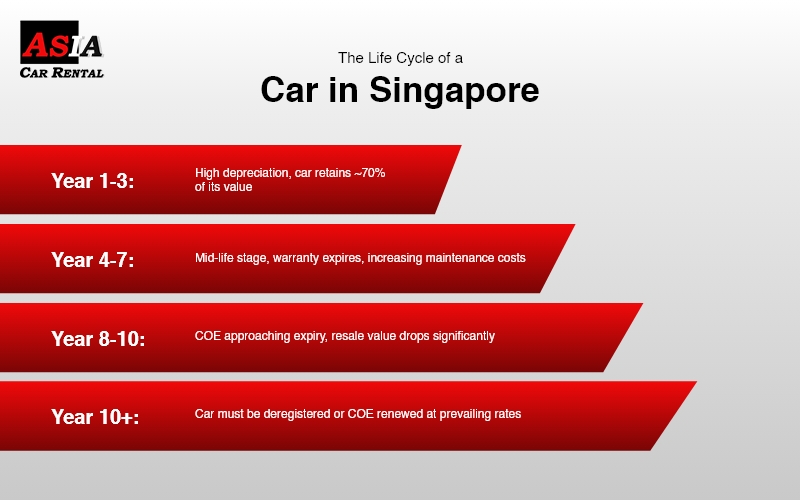
In Singapore, cars don’t just lose value over time; they depreciate faster than in most countries due to high ownership costs and strict vehicle age policies. Unlike property, which can appreciate, a car’s worth starts dropping the moment you drive it off the lot.
- Rapid depreciation: In the first few years, a car’s value can plummet significantly, making it difficult to recover the initial investment.
- Lower-than-expected resale value: Factors like model popularity, mileage, and COE renewal costs greatly influence how much you’ll get back when selling.
- Limited lifespan: Most cars in Singapore are deregistered after ten years unless the COE is renewed, meaning owners must decide whether to reinvest or let go.
3. What Are the Maintenance Responsibilities of Car Owners?
Renting vs buying a car comes with different levels of responsibility, and maintenance is one of the biggest differences. Renting offers a hassle-free experience since servicing is handled by the provider, while car owners must manage everything themselves, from routine check-ups to unexpected breakdowns.
- Unexpected repair bills: A sudden breakdown or mechanical failure can lead to hefty repair costs, especially for older vehicles.
- Ongoing upkeep takes time: Regular servicing, inspections, and tyre replacements require planning and effort, adding to the responsibilities of ownership.
- Limited warranty coverage: Once the manufacturer’s warranty expires, all repair costs fall directly on the owner, making long-term ownership more expensive.
4. Is Car Ownership a Long-Term Commitment?
Buying a car isn’t just a purchase, it’s a long-term financial and lifestyle commitment that doesn’t always adapt to changing circumstances. Unlike renting, where switching vehicles is easy, ownership ties you down, making it harder to adjust if your needs or finances shift.
- Financial strain when circumstances change: A sudden job move, unexpected expenses, or shifts in income can make car ownership a burden, especially if you’re still paying off a loan.
- Less flexibility in switching cars: Renting allows for easy upgrades or model changes, but when you own, getting a new vehicle means selling or trading in first, which can be time-consuming and costly.
- Market fluctuations: COE prices, resale values, and government policies can fluctuate, affecting the long-term costs of ownership in ways that are hard to predict.
Final Thoughts on Buying a Car in Singapore
Owning a car comes with unmatched convenience, freedom, and potential long-term savings, especially for those who drive daily. But in Singapore, where high costs, COE, and ongoing responsibilities add up, ownership isn’t always the best fit for everyone. When comparing renting vs buying a car, it’s important to consider how financial commitment, flexibility, and lifestyle needs align with your long-term plans. For some, the stability of ownership makes sense; for others, the ease of renting is the smarter choice.

Still Unsure? Here Are Common Questions Answered
Deciding between renting vs buying a car in Singapore isn’t just about upfront costs. It’s also about long-term financial implications, lifestyle needs, and flexibility. If you’re still unsure which option suits you best, here are some common questions that might help clarify your decision.
1. What happens if I damage a rental car?
Depending on your rental agreement, you may have to pay for repairs or cover the insurance excess. It’s always best to check the rental terms before driving off.
2. What are the hidden costs of buying a car?
Besides the upfront price, you’ll need to budget for road tax, insurance, servicing, and repairs. Depreciation also reduces the car’s resale value over time. If you’re financing the vehicle, interest on the loan adds to the cost. On top of that, there are everyday expenses like fuel and Electronic Road Pricing (ERP) charges, which can add up if you drive frequently during peak hours.
3. What happens if I exceed the mileage limit on a rental car?
Most rental companies charge extra per kilometre if you go over the limit. The cost varies, so if you plan to drive long distances, check for unlimited mileage options or negotiate a higher limit upfront.
4. Is insurance included in a rental car package?
Most rentals come with basic insurance, but typically only covers third-party damage. You may need to pay extra for additional coverage for accidents, theft, or damage to the rental car.

Which Option Best Suits Your Needs?
Choosing between renting vs buying a car in Singapore depends on what works best for your lifestyle, budget, and driving habits. Buying may be the better choice if you’re looking for long-term savings, full ownership, and the freedom to customise your vehicle. But if you value flexibility, lower upfront costs, and a hassle-free experience, renting offers a stress-free alternative without the long-term financial commitment.
For frequent commuters, expats on temporary assignments, or those who only need a car occasionally, renting provides the convenience of driving without the burden of ownership. With options like short-term car rentals, monthly leasing, and luxury car rentals, there’s a solution for every need.
If you’re looking for a seamless and affordable car rental experience, Asia Car Rental has a wide selection of vehicles. Whether you need a car for a weekend road trip, a business meeting, or an extended stay, we make the process simple and stress-free.
Contact us today to find the perfect vehicle for your next journey and experience the ease of renting a car in Singapore!