Key Takeaways
- A Collision Damage Waiver (CDW) may limit how much you must pay if the rental vehicle is damaged under covered circumstances.
- CDW in a rental car is not necessarily the same as comprehensive motor insurance and may still leave you responsible for a rental car excess.
- Tyres, windscreens, the undercarriage, interior damage and negligent use may be excluded, depending on the agreement.
- Additional protection may reduce the excess, but the conditions and exclusions should still be reviewed.
- Before driving away, confirm the excess amount, authorised drivers, usage restrictions and accident-reporting procedure.
When renting a car, it is natural to focus on the vehicle, rental period and price. However, the protection attached to the booking can be just as important.
One term that frequently appears in rental agreements is Collision Damage Waiver, commonly shortened to CDW. Although it may reduce your financial exposure if the vehicle is damaged, it does not always remove every cost or cover every situation.
Understanding what CDW does, where its limits may apply and how the rental car excess works can help you assess the agreement before collecting the vehicle.
What Is CDW in Car Rental?
If you are wondering what is CDW in car rental, it is an arrangement under which the rental provider agrees to waive or limit some of your financial responsibility for damage to the rented vehicle.
Despite its name, a Collision Damage Waiver is not necessarily a standalone insurance policy. It is generally a contractual waiver forming part of the rental terms. The exact protection depends on the provider, vehicle category, location and circumstances of the incident.
For example, a standard damage waiver may reduce your liability to a specified excess rather than require you to pay the vehicle’s entire repair cost. Rental providers may also offer additional protection that lowers or removes this excess.
This distinction is important. Having CDW does not automatically mean that you will pay nothing after an accident.
What Does a CDW Usually Cover?
A CDW is generally intended to address accidental physical damage to the rental vehicle during an authorised rental period.
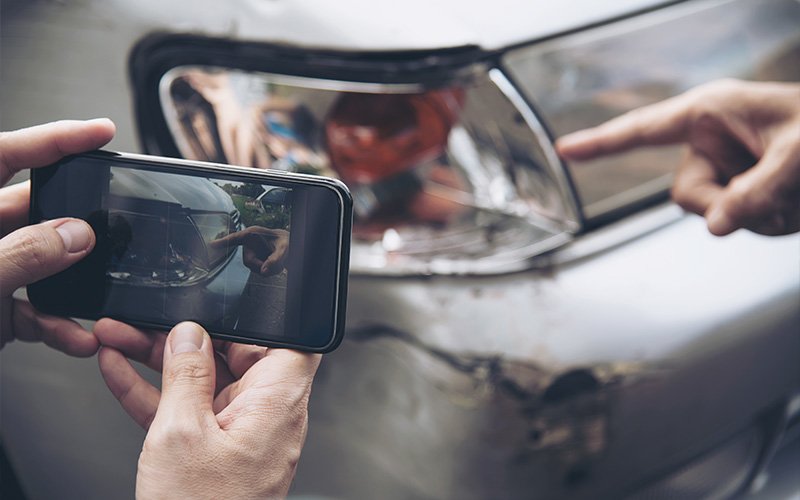
Depending on the agreement, this may include body damage caused by a collision with another vehicle or object. Instead of being responsible for the full cost of repairs, the renter’s liability may be limited to the stated excess.
However, the protection normally applies only when the vehicle is used according to the rental terms. This may mean that:
- The vehicle is driven by an authorised driver
- The driver holds an accepted driving licence
- The vehicle remains within approved geographical areas
- The incident is reported within the required timeframe
- The vehicle is not used negligently, recklessly or unlawfully
The agreement, rather than the term “CDW” alone, determines whether a particular incident is covered.
What Might CDW Exclude?
Drivers sometimes assume that all parts of the vehicle are included. In practice, standard CDW may contain exclusions or separate charges for particular types of damage.
Depending on the rental provider, these may include:
- Tyres and wheels
- Windscreens, windows or mirrors
- Roof or undercarriage damage
- Interior stains, burns or tears
- Lost keys or incorrect refuelling
- Damage caused by unauthorised drivers
- Damage resulting from prohibited or reckless use
- Driving outside an approved area
Theft may also be handled separately through theft protection or a loss damage waiver. Do not assume that CDW automatically covers theft, personal belongings, medical expenses or third-party claims.
The exclusions differ between providers and protection packages. Some enhanced products may include items such as glass or tyre damage that are not covered by the standard option.
Why Is There Still a Rental Car Excess?
An excess is the amount you may have to bear when a claim is made, even though the vehicle is insured or covered by a damage waiver.
For example, suppose covered repairs cost S$5,000 and the agreement states that your applicable excess is S$2,000. Subject to the terms, you may still be responsible for up to S$2,000 rather than the full repair bill.
An excess therefore divides the financial responsibility between the renter and the insurer or rental provider. The General Insurance Association of Singapore similarly describes an insurance excess as the amount a policyholder may be required to bear when a claim is made.
The amount may vary according to the vehicle, driver profile and protection selected. Additional charges may also apply if the incident falls outside the waiver or breaches the rental agreement.
Is CDW Enough for a Rental Car?
There is no single level of protection that suits every renter.
Standard CDW may be enough when you understand the excess, accept the potential financial exposure and are comfortable with the listed exclusions. It may be suitable for a short rental on familiar roads, provided that the agreement matches how you intend to use the car.
Additional protection may be worth considering when:
- The stated excess would be difficult to absorb
- You will be driving for an extended period
- You are unfamiliar with the roads or vehicle
- Several authorised drivers will use the car
- You want more predictable potential costs
- The standard CDW excludes areas that concern you
Enhanced protection may reduce or remove the excess, but this does not mean that every event is covered. Reckless driving, unauthorised use and failure to report an accident correctly may still affect eligibility.
CDW, PAI and Third-Party Cover Are Not the Same
When looking for an explanation of car rental insurance , it helps to separate the different forms of protection.
CDW in a rental car generally concerns damage to the vehicle. Third-party motor insurance concerns legal liability for injury or damage caused to other road users or their property. Personal Accident Insurance, or PAI, may provide specified benefits for accidental injury involving the hirer or passengers.
These products perform different roles. Adding PAI does not lower the vehicle damage excess, while selecting CDW does not necessarily provide medical or personal belongings cover.
At Asia Car Rental, all rental vehicles are insured, with the applicable excess stated in the rental agreement. Optional PAI may also be arranged for eligible long-term leasing customers, subject to the applicable policy terms.
What Should You Check Before Collecting the Car?
Before choosing a vehicle for rent, review more than the daily or monthly price. Ask the rental provider to explain:
- The standard insurance excess
- What CDW reduces or waives
- Damage that remains excluded
- Additional excesses for certain drivers
- Who is authorised to drive
- Where the vehicle may be driven
- Accident-reporting procedures
- Whether additional protection is available
Inspect the car during collection and make sure existing scratches, dents or interior damage are recorded. Keep a copy of the rental agreement and contact details in the vehicle so that you know whom to call after an incident.
Businesses arranging a corporate car rental should also confirm whether all intended employees are authorised, particularly when vehicles are shared between team members.
For longer-term arrangements, comparing the included protection, maintenance support and excess can be as important as comparing monthly rates for car leasing in Singapore.
Choose Rental Protection with the Full Terms in Mind
Understanding what is CDW in car rental starts with recognising that the name alone does not tell you everything. CDW may limit your liability for covered vehicle damage, but an excess, exclusions and usage conditions can still apply.
At Asia Car Rental, we state the applicable insurance excess in the rental agreement so that you can understand your potential responsibility before driving away.
Contact us to discuss a rental or leasing arrangement and the protection terms that apply to your chosen vehicle.
Frequently Asked Questions
Does CDW mean I do not have to pay after an accident?
Not necessarily. Standard CDW may limit your liability to a stated excess rather than remove it completely. You may also remain responsible for excluded damage or incidents that breach the rental terms.
Is CDW the same as car insurance?
No. CDW is generally a contractual waiver that reduces the renter’s responsibility for damage to the hired vehicle. Motor insurance may also cover areas such as third-party liability, depending on the policy.
Does CDW cover scratches and dents?
It may cover accidental body damage, but the outcome depends on the provider’s terms, the cause of the damage and whether an excess applies. Minor damage may also be assessed against the provider’s fair wear-and-tear policy.
Does Collision Damage Waiver cover tyres and windscreens?
Standard CDW may exclude tyres, wheels, windscreens and other glass. Some providers offer enhanced protection that includes these items, so check the coverage schedule before renting.
Can I reduce the rental car excess?
Some rental providers offer an optional excess-reduction product for an additional charge. Review how much the excess is reduced, which damage remains excluded and whether any conditions could invalidate the protection.