Malaysia has started VEP enforcement since July 1 2024. Have you gotten your VEP tag?
Planning a road trip from Singapore to Malaysia has never been more accessible, yet confusion about the Vehicle Entry Permit (VEP) system continues to create unnecessary stress for travelers. Whether you are heading to Johor Bahru for weekend shopping, exploring Melaka’s heritage sites, or driving up to Kuala Lumpur for business, understanding VEP requirements is essential for smooth cross-border travel.
The VEP system, while designed to streamline border crossings, can seem complex for first-time travelers. Questions about registration procedures, installation requirements, and checkpoint protocols often lead to delays and frustration at immigration points.
This comprehensive guide demystifies the VEP process, providing everything you need to know for hassle-free cross-border journeys. From initial registration to checkpoint navigation, we will help you prepare for your confident Malaysia travel.
Key Takeaways
- VEP is mandatory for all Singapore-registered vehicles entering Malaysia through any checkpoint.
- One-time processing fee at VEP website costs approximately RM10 with no recurring fees.
- RFID tag installation on your windscreen or headlamp enables automated checkpoint processing.
- Rental vehicles require advance notification to ensure VEP compliance and proper insurance coverage.
Understanding the VEP System: What You Need to Know
The VEP represents Malaysia’s modernized approach to managing foreign vehicle entries. Implemented to enhance border security and improve traffic flow, the system uses Radio Frequency Identification (RFID) technology for automated vehicle detection at checkpoints.
For Singapore motorists, this means mandatory VEP registration and tag installation before crossing into Malaysia. The requirement applies universally across all vehicle types, including private cars, motorcycles, commercial vehicles, and buses, with no exceptions for casual travelers or first-time visitors.
Why Malaysia Introduced VEP
Malaysia’s implementation of the VEP system serves several strategic objectives that benefit both authorities and travelers:
-
Enhanced Security and Monitoring
Comprehensive tracking of foreign vehicles entering Malaysian territory provides improved security oversight and enables better enforcement of regulations.
-
Streamlined Border Processing
Automated RFID detection significantly reduces checkpoint processing time, alleviating congestion during peak travel periods and improving overall efficiency.
-
Digital Record Management
Centralized vehicle databases facilitate traffic regulation enforcement, insurance verification, and cross-border incident management.
-
Infrastructure Planning
Real-time data on cross-border vehicle movements helps authorities manage traffic flow and plan infrastructure improvements.
Understanding these objectives clarifies why VEP compliance receives strict enforcement at all entry points.
Who Must Register for VEP?
VEP requirements apply comprehensively to all foreign-registered vehicles entering Malaysia, regardless of travel frequency or purpose:
- Singapore-registered vehicles crossing into Johor or beyond
- All foreign-registered vehicles using Woodlands Causeway or Tuas Second Link checkpoints
- Vehicles traveling for business, leisure, shopping, or transit purposes
- Both occasional travelers and regular commuters
- Rental vehicles and privately-owned vehicles
No exemptions exist based on trip frequency, vehicle age, driver nationality, or travel purpose. Every foreign vehicle must complete VEP registration before entering Malaysia.
Step-by-Step VEP Registration Process
Obtaining VEP registration involves three straightforward steps that typically complete within several days:
Step 1: Online Registration
Visit the official VEP portal and create your account. The registration process requires specific documentation:
Required Information:
- Vehicle registration number and complete vehicle details
- Owner identification (NRIC for citizens/PRs, passport for foreigners. ACRA for companies)
- Current contact information including mobile number and email address
- Valid vehicle insurance documentation
Registration Best Practices:
- Verify all information matches official documents exactly
- Prepare clear digital copies of vehicle registration documents
- Use an active email address you monitor regularly
- Confirm your insurance coverage before beginning registration
- Complete registration well in advance of planned travel dates
Step 2: Payment Processing
After completing your online registration, you will receive a confirmation email prompting you to select your preferred tag option. At this stage, payment becomes necessary to process your VEP tag order.
Payment Structure:
The processing fee is RM10 per vehicle. However, this fee does not yet include additional charges such as service fees and postage fees, which vary depending on your selected delivery or collection method. The final total cost will be displayed before payment confirmation.
Payment Options:
Payment can be made using most major credit and debit cards, providing convenient transaction processing for Singapore residents. Ensure your card is activated for international transactions to avoid payment failures.
Upon successful payment, you will receive a receipt via email. Retain this receipt for your own record.
Step 3: VEP Tag Collection and Installation
Your VEP RFID tag must be properly installed on your windscreen or headlamp for system functionality. Two collection methods are available to suit your convenience:
Option 1: Courier Delivery to Registered Address
You can arrange for the tag to be mailed directly to your registered address provided during the application process. If you select the postage option, additional fees will apply beyond the RM10 processing fee. These include a service fee of RM30 and postage free of approximately RM15.
After payment confirmation, your tag will be shipped to your designated address. Delivery timeframes typically range from several weeks to longer periods during peak seasons. Once your RFID tag arrives, you can proceed with self-installation on your vehicle following the provided instructions.
Option 2: Self-Collection at Designated VEP Centres
You can collect your tag in person at designated VEP collection centres. The primary collection centre is operated by TCSens in Johor Bahru, with locations such as Danga Bay, Paradigm Mall, and Sunway Bigbox. You may also choose to collect from the centre in Woodlands but this may incur additional service cost.
If you select self-collection, you will be prompted to book an appointment slot through the online portal. Do make sure to check for the latest announcements for centres’ operating hours and appointment requirements.
Collection Requirements:
When collecting your VEP tag in person, bring the following documentation:
- Valid identification (NRIC or passport)
- Approval or confirmation email
- Vehicle registration details for verification
Collection centre staff will provide your RFID tag along with detailed installation instructions. They can also help with installation. For courier deliveries, comprehensive instruction sheets are included in the package.
Critical Installation Guidelines:
For self-collection, you do not need to worry as there are staff who are able to help with the installation.
For those who opted for postage, here are some important guidelines to follow:
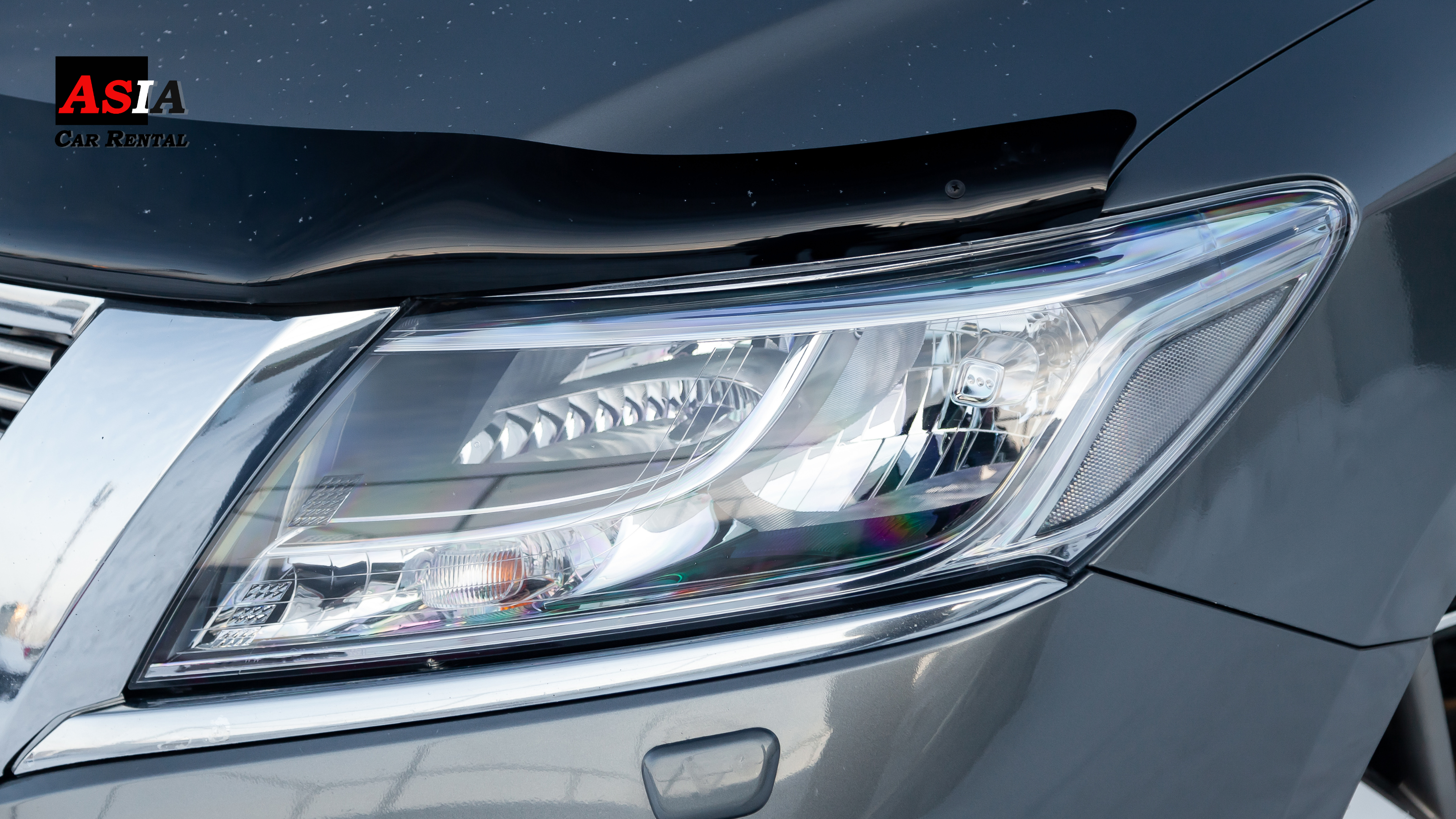
- Make sure the surface of your left headlamp is free from dust by cleaning it beforehand and letting the surface dry for about 3 minutes.
- Gently peel off VEP RFID tag from the package.
- Stick horizontally on the left headlamp. Do ensure that the tag is affixed about 5cm away from the metal frame and avoid pasting it on the curvature of the headlamp.
- Take a photo framing the fitted tag with your car registration number.
- Upload and submit your fitment photo on the portal.
- You will be notified once your tag is activated.
Essential Pre-Travel Preparation Checklist
Before departing for Malaysia, complete these critical preparations to ensure smooth border crossing:

Vehicle Documentation Requirements:
- Valid VEP tag properly installed and activated
- Current vehicle registration card
- Valid driving license (Singapore license or International Driving Permit)
- Vehicle details and insurance documentation
Personal Documentation:
- Valid passport with minimum 6 months remaining validity
- Entry visa if required (most Singapore citizens/PRs enjoy visa-free entry)
- Accommodation details and travel itinerary for potential immigration reference
Financial Preparation:
- Malaysian Ringgit cash for tolls, parking and merchants without card facilities
- Activated credit or debit cards for larger purchases and emergencies
- Touch n Go e-wallet or RFID card for seamless toll payment
- Small denominations for parking meters and local food establishments
Strategic Travel Timing for Minimal Delays
Travel timing significantly impacts your cross-border experience and checkpoint waiting times:
Peak Periods to Avoid:
- Weekday mornings (7:00 – 10.00 AM) during Malaysian worker commutes to Singapore
- Weekday evenings (5:00 – 8.00 PM) during return commute periods
- Friday evenings and Saturday mornings when Singaporeans travel to Malaysia
- Sunday evenings during return traffic to Singapore
- Public holidays on either side of the border creating travel surges
- School holiday periods with increased family travel
Optimal Travel Times:
- Mid-morning (10:00 AM – 12:00 PM) on weekdays between peak periods
- Early afternoon (2:00 – 4:00 PM) before evening rush begins
- Late evening (after 9:00 PM) for night travelers comfortable with driving in the dark
- Very early morning (before 6:00 AM) for early departure tolerance
Real-Time Traffic Intelligence:
Modern navigation applications provide live checkpoint waiting times and traffic conditions. Check Google Maps, Waze, or dedicated checkpoint monitoring applications before departure. Maintain schedule flexibility to delay travel if waiting times exceed acceptable thresholds.
Special Considerations for Rental Vehicles
Cross-border travel with rental vehicles requires additional planning and coordination. Do make sure that your rented vehicle is allowed to be driven into Malaysia. Some car rental companies may require additional fees for Malaysia usage. Always inform your rental provider during the initial booking if Malaysia travel is planned.
Contractual Restrictions and Limitations:
Rental agreements may impose specific restrictions including:
- Permitted travel destinations within Malaysia
- Maximum distance limitations from Singapore
- Duration limits for Malaysian stays
- Vehicle return procedures if mechanical breakdowns occur across the border
- Prohibited activities or uses while in Malaysia
Emergency Procedures and Support:
Understand your rental company’s procedures for emergencies, mechanical breakdowns, or traffic accidents in Malaysia. Obtain 24-hour emergency contact numbers and clarify roadside assistance coverage extent in Malaysian territory.
For Asia Car Rental, Malaysia usage is complimentary when you lease a long-term vehicle. Asia Car Rental provides VEP-ready vehicles so that you can enjoy your drive into Malaysia with a peace of mind. Leave the administrative work to us and contact us today to find out which of our vehicles can be driven into Malaysia.
Practical Tips for First-Time Cross-Border Travelers
First-time travelers benefit significantly from these practical recommendations:
Start with Day Trips:
Build confidence and familiarity with short day trips to Johor Bahru before attempting longer journeys. Familiar routes reduce stress and provide checkpoint assistance without distant destination pressure.
Travel with Experienced Companions:
If possible, make initial crossings with travelers who regularly navigate the checkpoints. Their experience helps you understand procedures, local driving customs, and common pitfalls requiring avoidance.
Allocate Generous Time Buffers:
Always plan significantly more time than estimated for checkpoint crossing and travel. Unexpected delays occur regularly, and rushing creates unnecessary stress. Experienced travelers typically add 1 to 2 hour buffers to all cross-border travel plans.
Study Malaysian Driving Regulations:
Malaysian driving customs differ substantially from Singapore. Key differences include varied lane discipline, and diverse road surface conditions. Research these differences thoroughly before traveling.
Maintain Accessible Emergency Contacts:
Save important contact numbers in your mobile phone, including rental company, insurance provider, and emergency services. Consider saving Malaysian contacts before crossing in case of mobile network connectivity issues.
Frequently Asked Questions About VEP
1. How long does a complete VEP registration take from start to finish?
The online registration process takes approximately 10 minutes to complete as you fill in required personal details and vehicle information. After submission, the portal usually takes several days to verify your details before granting approval.
Once approved, you can select between postage and self-collection. If you choose postage delivery, expect 1 to 2 weeks for the tag to arrive at your doorstep. If you opt for self-collection, availability varies by location and demand, potentially requiring appointment scheduling.
After installation, you will have to upload your fitment photo to the portal for your VEP tag to be activated. This typically takes only 1 to 2 days.
To ensure your VEP tag is ready and activated before your planned travel dates, allow at least 3 weeks for the complete process from initial registration to tag installation and activation.
2. Can I enter Malaysia without VEP if this is my first crossing?
No exceptions exist to VEP requirements regardless of travel history. All foreign-registered vehicles must have valid VEP registration and properly installed tags before entering Malaysia.
3. What happens if immigration officers cannot detect my VEP tag?
You will be directed to manual processing lanes where officers verify your VEP registration through alternative methods. This process may create delays, but you will receive entry permission if registration is valid and current. Having your VEP confirmation email ready may be helpful to speed up the process.
4. What if I forget my passport but have my VEP tag installed?
VEP addresses only vehicle registration requirements and does not replace personal documentation obligations. You cannot cross international borders without a valid passport, regardless of vehicle registration status.
5. What if I need to replace my VEP tag?
You may have to visit any collection centre to submit your replacement application with the relevant documents. Additional fees may be required. Once your replacement tag is ready, install the new tag as per the given instructions to ensure proper function.
Ready to Explore Malaysia?
The VEP system has modernized cross-border access, making Malaysian adventures more accessible and convenient than ever. Whether you are planning weekend getaways to Johor Bahru, culinary trails through Melaka, or extended journeys to Penang and beyond, proper VEP preparation ensures your focus remains on enjoying the journey.
Asia Car Rental offers complimentary entry into Malaysia if you lease our long-term vehicle. If you are considering renting a vehicle for your Malaysian adventure, we are here to help. Our cross-border approved fleet features properly installed VEP tags, comprehensive insurance coverage, and complete documentation for a hassle-free travel. Contact us today to discuss your Malaysia travel plans and discover how our rental solutions make cross-border adventures simple, convenient, and worry-free.