Key Takeaways
- The cost of owning a car in Singapore goes far beyond the showroom price, with COE, taxes, registration fees, and financing significantly increasing the upfront amount you pay.
- Ongoing car ownership expenses such as fuel, ERP, parking, insurance, and road tax can add substantial monthly and yearly costs after purchase.
- The cost of car maintenance includes not only routine servicing, but also wear-and-tear replacements and unexpected repairs as the vehicle ages.
- Depreciation is one of the biggest long-term ownership costs, which means the financial burden of owning a car continues even if you are not facing major repair bills.
- For drivers who want access to a car without taking on the full financial commitment of ownership, a vehicle for rent or long-term rental arrangement may offer a more flexible alternative.
Introduction
Owning a car in Singapore can make daily life more convenient, whether it is for commuting to work, managing family routines, or travelling on your own schedule. For many households and businesses, having access to a car can offer a level of flexibility that public transport does not always provide.
However, the cost of owning a car in Singapore is much higher than the purchase price alone. Between COE, taxes, financing, insurance, fuel, parking, servicing, and depreciation, the total cost can be significantly more than many first-time buyers expect. If you are deciding whether to buy a car or simply trying to understand what ownership really involves, it helps to look at the full picture rather than just the monthly instalment.
In this guide, we break down the main ownership expenses in Singapore, from the upfront cost of purchasing a vehicle to the recurring expenses that continue throughout its lifespan.
Estimated Cost of Owning a Car in Singapore
The figures below are best read as a budgeting framework rather than a fixed quote: some costs are statutory and largely determined by government formulas, while others depend on your car model, financing structure, mileage, insurance profile, and parking habits.
As a starting point, buyers should treat COE, ARF, excise duty, GST, and registration fees as purchase-related statutory costs, while insurance, fuel, ERP, parking, servicing, and road tax fall under ongoing ownership costs.
| Cost Item | Estimated Amount | How to Budget It |
|---|---|---|
| COE | Varies by vehicle category and bidding exercise. Refer here for current range. | Upfront / usually included in purchase price |
| Registration Fee | S$350 | Upfront |
| ARF | Depends on OMV | Upfront |
| Excise Duty | 20% of customs value / OMV basis | Upfront |
| GST | 9% | Upfront / built into final price |
| Car Loan | Up to 60% or 70% of purchase price, depending on OMV | Monthly instalment |
| HDB Season Parking | S$80–S$110/month | Monthly |
| ERP | Route-dependent; often S$0.50–S$6 per gantry | Monthly |
| Petrol | Estimate S$250–S$500/month | Monthly |
| Insurance | About S$750–S$1,500/year for many standard profiles | Annual, or divide by 12 |
| Road Tax | Vehicle-dependent | Annual, or divide by 12 |
| Servicing & Maintenance | Estimate S$600–S$1,500/year | Annual reserve |
| Tyres / Battery / Wear-and-Tear | Estimate S$500–S$1,500/year | Annual reserve |
| Depreciation | Often one of the largest annual costs | Annual estimate, then divide by 12 |
To make the cost easier to plan for, it helps to separate monthly cash outlay from long-term ownership cost. Monthly cash outlay refers to the amount you need to set aside each month to keep the car on the road, including loan instalments, petrol or charging, ERP, parking, insurance, road tax, and a maintenance reserve. Long-term ownership cost, on the other hand, reflects what the car actually costs you over time after accounting for depreciation and loan interest.
Using a typical mainstream passenger car as an illustration, a buyer may need to budget around S$2,100 to S$3,300 per month in cash outlay, or roughly S$25,000 to S$40,000 per year, excluding the initial down payment and other upfront purchase costs.
This range assumes a financed car used for regular personal driving, with recurring costs such as petrol, parking, insurance, road tax, and routine servicing factored in. The long-term cost of ownership will be higher once depreciation is taken into account, which is why buyers should treat monthly cash outlay and total ownership cost as related but separate budgeting figures.
The True Upfront Cost of Buying a Car in Singapore
COE Can Cost as Much as the Vehicle Itself
One of the biggest reasons the cost of owning a car in Singapore is so high is the Certificate of Entitlement, or COE. Unlike in many countries where the main cost is the car itself, drivers in Singapore must first pay for the right to own and use a vehicle on the road for 10 years.
This makes COE one of the largest parts of the purchase price. In many cases, it can cost almost as much as the car itself, particularly for entry-level models. Even when buying a mid-range or higher-end vehicle, COE still adds a substantial amount to the final bill before you even factor in insurance, road tax, or fuel.
This is why car ownership in Singapore often feels expensive from the outset. The financial commitment starts well before you actually begin driving.
Registration Fees and Taxes Add Significantly to the Purchase Price
The advertised price of a car rarely reflects what you will actually pay. In Singapore, the final on-road cost is shaped not only by the dealer’s selling price, but also by a set of statutory registration charges. These commonly include the Registration Fee, the Additional Registration Fee (ARF), excise duty, and GST.
One of the most important figures behind these charges is the car’s Open Market Value (OMV). OMV broadly reflects the vehicle’s imported value before dealer mark-ups, and it is used as the basis for taxes such as ARF. LTA’s vehicle tax structure explains that ARF is charged as a percentage of OMV rather than as a flat fee, which is why two cars with different OMVs can face very different upfront tax bills even before COE is added. Excise duty and GST also increase the total purchase amount, while dealer pricing may separately include items such as delivery, registration handling, or optional accessories.
In practical terms, this means buyers should separate statutory ownership costs from dealer-imposed charges when comparing quotes. The list price alone does not show how much of the purchase amount is going to taxes, registration, and COE, all of which materially affect the true upfront cost of owning a car in Singapore.
Car Loans Turn the Purchase Into a Long-Term Commitment
Most buyers do not pay for a car in full upfront. Instead, they finance the purchase with a car loan, which spreads the cost over several years. While this can make the initial outlay more manageable, it also means taking on a long-term financial commitment.
Monthly instalments need to be viewed in the context of the wider cost of owning a car, not in isolation. Even if the loan payment feels affordable, it sits on top of all the other ongoing costs of keeping the vehicle on the road. This is where the true burden of ownership becomes clearer, especially for households already managing other major expenses.
Why Car Ownership Is Uniquely Expensive in Singapore
Cars in Singapore are not priced like ordinary consumer goods. The ownership model is shaped by transport policies designed to control congestion and manage vehicle population growth. COE, ERP, and other regulatory structures all contribute to the high cost of private car ownership.
As a result, buying a car in Singapore is not just about purchasing a mode of transport. It is a much larger financial commitment tied to a tightly regulated system, which is why the cost of owning a car here can feel disproportionately high compared to many other markets.
The Everyday Costs That Continue After Purchase
Buying the car is only the beginning. Once it is on the road, owners take on a range of recurring expenses that continue month after month. These ongoing expenses are often what make ownership feel much more expensive over time.
Fuel, ERP, and Parking Can Add Up Faster Than Expected
Petrol is one of the most obvious recurring costs, particularly for people who drive regularly for work, family routines, or client visits. The exact amount spent will depend on how often you drive, how fuel-efficient your car is, and the routes you take, but fuel is still one of the most visible ownership costs on a monthly basis.
ERP charges can also build up quickly, especially if you commute during peak hours or drive into central areas often. A few dollars here and there may not seem significant at first, but repeated daily charges can make a noticeable difference to your monthly transport budget.
Parking is another cost that is easy to underestimate. Even if you have season parking near home, you may still need to pay for office parking, mall visits, medical appointments, and weekend outings. Over time, fuel, ERP, and parking together can become a substantial portion of your total car running costs in Singapore.
Insurance and Road Tax Are Fixed Recurring Costs
Road tax is another recurring cost, but it is not calculated in exactly the same way for every vehicle. For conventional petrol cars, the amount is generally linked to engine capacity. For electric vehicles and some hybrid configurations, LTA also takes factors such as maximum electric power rating into account, and older cars may face additional road-tax surcharges once they cross the 10-year mark. This means buyers comparing petrol, hybrid, and EV models should not assume the same rule applies across the board. If you are estimating your yearly ownership budget, it is worth checking the official LTA road-tax calculator for the specific vehicle type you are considering.
The Ongoing Cost of Car Maintenance
Routine Servicing Is a Standard Part of Ownership
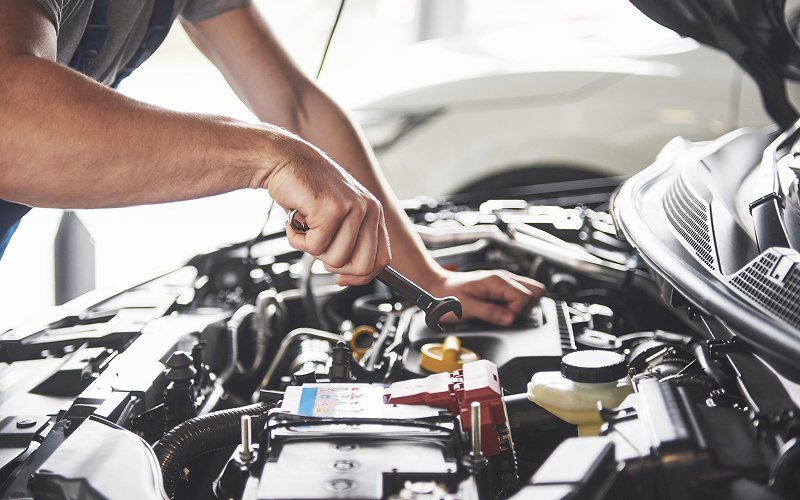
One of the first recurring costs of running a car in Singapore that owners should include in their budget is regular servicing.. Even if a car is running smoothly, it still needs periodic checks and servicing to stay safe, efficient, and reliable.
This typically includes oil changes, filter replacements, brake inspections, fluid top-ups, and general wear checks. For newer cars, these costs may seem manageable in the early years, but they still form part of the long-term ownership picture. Over time, repeated servicing appointments contribute to the true cost of keeping the vehicle on the road.
Wear-and-Tear Replacements Add to Your Annual Expenses
Routine servicing is only one part of the equation. Car owners also need to budget for components that naturally wear out over time. Tyres, brake pads, batteries, wiper blades, and air-conditioning components all have a limited lifespan and will eventually need replacement.
These costs do not appear every month, but they are still a normal part of the maintenance costs. A driver who uses the car heavily for daily commuting and family transport will usually face these replacements sooner than someone who drives only occasionally.
Unexpected Repairs Can Be One of the Most Costly Parts of Ownership
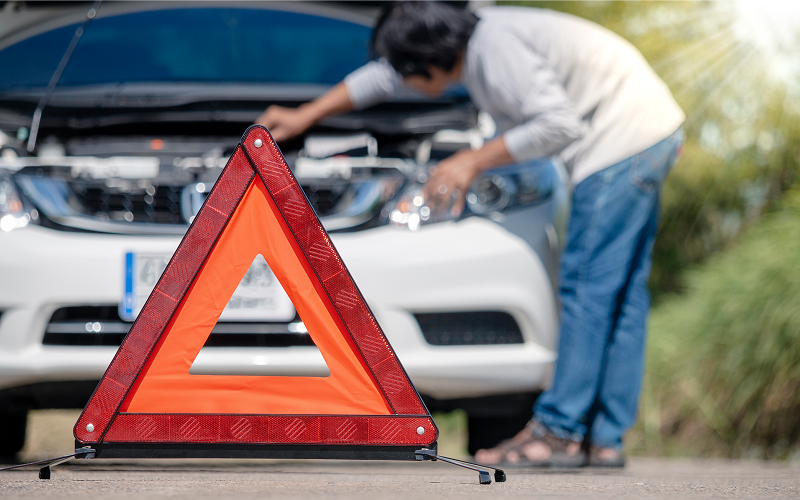
The most difficult expense to plan for is an unexpected repair. As cars age, there is a higher chance of problems affecting the transmission, suspension, electronics, engine components, or air-conditioning system. These repairs can range from relatively minor fixes to major bills that significantly increase the cost of ownership for the year.
This unpredictability is one of the main reasons some drivers become wary of long-term ownership. Even if you budget carefully for routine expenses, a single major repair can quickly push your actual yearly spend much higher than expected.
Depreciation Is One of the Biggest Hidden Costs
When people are budgeting for a car, they often focus on cash expenses such as instalments, petrol, and servicing. However, depreciation is one of the biggest long-term costs of all.
A car is a depreciating asset. From the moment it is purchased and registered, its value starts to fall. This matters whether you plan to sell it after a few years or hold it until the end of the COE period. In practical terms, depreciation represents the amount of value you are losing over time while holding the vehicle.
When depreciation is combined with loan interest, COE, taxes, and maintenance, the real financial cost of ownership becomes much clearer. A car may seem manageable if you only look at the monthly instalment, but the long-term total can be much higher once depreciation is taken into account.
What Financing a Car Looks Like
By this stage, it becomes clear that financing a car in Singapore is made up of many layers, not just one headline number. A buyer may need to account for:
- the vehicle purchase price
- COE and registration-related charges
- loan instalments and financing costs
- insurance and road tax
- petrol, ERP, and parking
- routine servicing and maintenance
- wear-and-tear replacements such as tyres and batteries
- unexpected repair bills
- depreciation over time
For some drivers, these costs are still worth paying for the convenience and control that come with ownership. For others, especially those who do not drive daily or who want to avoid unpredictable long-term costs, ownership may not always be the most practical option.
When Renting or Leasing May Be the More Practical Option
For drivers who want access to a car without taking on the full financial burden of ownership, renting or leasing through a provider such as Asia Car Rental can offer a different way to drive.
Instead of funding COE, absorbing depreciation, and separately budgeting for road tax, insurance, and maintenance over the long term, drivers may be able to move to a more predictable monthly arrangement depending on the package they choose.
This can be especially useful if your vehicle needs are temporary or change over time. For example, a family may only need a larger car for selected periods, in which case an MPV car rental may be more practical than buying a larger vehicle outright.
However, renting is not automatically cheaper in every situation. The real comparison depends on how often you drive, how long you need the vehicle for, and what is included in the rental or lease package. Some arrangements may bundle items such as road tax, insurance, servicing, and scheduled maintenance, while variable costs such as fuel, ERP, parking, excess mileage charges, accident excess, or administrative fees may still sit separately with the driver.
Likewise, companies that need flexible transport for staff movement, client visits, project-based operations, or short-term fleet support may find car rental for business a more practical option than taking on the long-term cost of ownership for every vehicle.
For that reason, the most useful question is not simply whether renting costs less than owning. It is whether the arrangement gives you a clearer and more manageable transport budget for the way you actually use a car.
Explore Flexible Driving Options With Asia Car Rental
While the high costs of ownership are a significant consideration, driving in Singapore does not have to mean taking on every cost category yourself. For some individuals and businesses, long-term rental or leasing can be a practical alternative, especially if they would rather avoid a large upfront purchase commitment and the ongoing administration of road tax, insurance, and servicing.
Depending on the arrangement, leasing may also make monthly transport costs easier to plan for by consolidating some ownership-related expenses into a single recurring payment. At the same time, it is still worth checking what remains variable, such as fuel, ERP, parking, mileage limits, accident excess, or administrative fees.
At Asia Car Rental, we offer rental and leasing solutions for personal, commercial, and private-hire needs, with access to a wide range of vehicles and in-house servicing support. If you are weighing up the cost of owning a car against a rental or lease arrangement, our team can help you explore an option that fits your transport needs and budget.
Contact us today to find the right rental or leasing solution for your needs.
Frequently Asked Questions
What is the biggest cost of owning a car in Singapore?
For many buyers, the biggest upfront cost is COE, which can add a substantial amount to the purchase price. Over the longer term, the biggest costs are often a combination of loan repayments, depreciation, insurance, fuel, and maintenance.
Are car maintenance costs in Singapore expensive?
They can be, especially as the car gets older. Routine servicing is a standard part of ownership, but the total cost of maintenance also includes wear-and-tear replacements and unexpected repairs, which can increase significantly over time.
Why do car running costs in Singapore feel so high?
This is usually because the monthly cost is made up of several recurring expenses rather than one major bill. Petrol, ERP, parking, insurance, road tax, and maintenance all contribute to running costs of cars in Singapore, so the total can add up quickly even if each item seems manageable on its own.
Is renting a car cheaper than owning one?
It depends on how often you drive and how long you need the vehicle for. For some drivers, ownership may still make sense. However, for those who want to avoid large upfront costs, depreciation, and unpredictable repair bills, renting or long-term leasing can be a more practical option.